const canvas = document.getElementById('snowCanvas');
const ctx = canvas.getContext('2d');function resizeCanvas() {
canvas.width = window.innerWidth;
canvas.height = window.innerHeight;
}
window.addEventListener('resize', resizeCanvas);
resizeCanvas();const flakes = [];
const flakeCount = 80; // number of snowflakes
for (let i = 0; i < flakeCount; i++) {
flakes.push({
x: Math.random() * canvas.width,
y: Math.random() * canvas.height,
r: Math.random() * 4 + 1, // radius
d: Math.random() * flakeCount
});
}function drawFlakes() {
ctx.clearRect(0, 0, canvas.width, canvas.height);
ctx.fillStyle = 'white';
ctx.beginPath();
for (let i = 0; i < flakes.length; i++) {
const f = flakes[i];
ctx.moveTo(f.x, f.y);
ctx.arc(f.x, f.y, f.r, 0, Math.PI * 2, true);
}
ctx.fill();
moveFlakes();
}let angle = 0;
function moveFlakes() {
angle += 0.01;
for (let i = 0; i < flakes.length; i++) { const f = flakes[i]; f.y += Math.pow(f.d, 0.5) + 1; f.x += Math.sin(angle) * 2; if (f.y > canvas.height) {
f.y = 0;
f.x = Math.random() * canvas.width;
}
}
}setInterval(drawFlakes, 30);
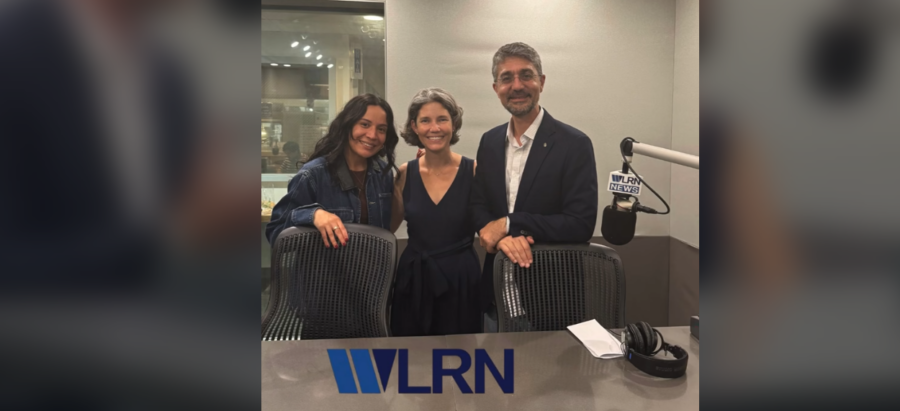
Plusurbia’s Megan McLaughlin and Juan Mullerat recently spoke with WLRN Public Media reporter Sherrilyn Cabrera about ten years of people-first design in Little Havana. From celebrating neighborhood successes to identifying opportunities for safer, more vibrant streets, they shared how collaborative, place-driven planning shapes a resilient and inclusive future.
“At Plusurbia, design begins and ends with people,” McLaughlin and Mullerat explain. By listening closely, understanding a community’s DNA, and translating ideas into actionable plans, Plusurbia creates spaces that honor cultural legacy while anticipating tomorrow’s challenges.The full interview will air in 2026. Stay tuned to learn more about how Plusurbia is helping shape Little Havana’s streets and public spaces for everyone who calls it home.
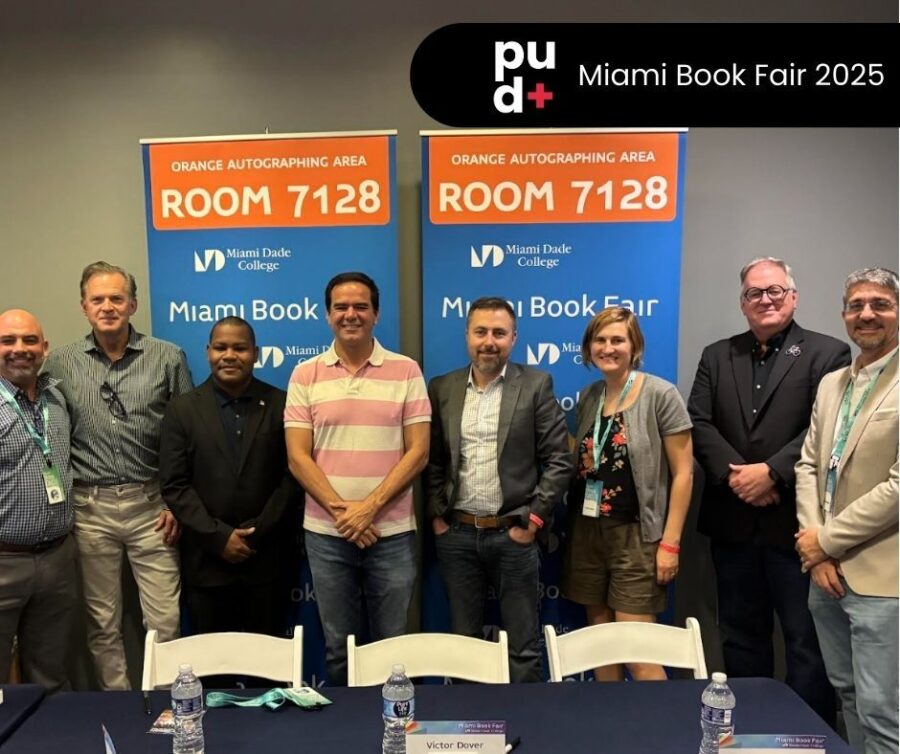
Sharing highlights from the Miami Book Fair on November 23, where Juan Mullerat, Principal of Plusurbia Design, joined the distinguished panel, “Cities, Mobility, and a Vision for a Better America.”
Presented by the Citizens' Independent Transportation Trust, the session brought together leading voices in urbanism: Angie Schmitt, Wes Marshall, Juan Mullerat, and Charles “Chuck” Bohl, with Victor Dover, FAICP, serving as moderator. The panel delivered an insightful and forward-looking conversation on the future of cities, mobility, and community-centered development.
During the program, Juan also presented his new book, The Urban Calendar: 365 Days That Shaped the Urban World, a collection of significant moments in urban history that continue to influence how cities grow, adapt, and thrive.A recording of the full session is available for viewing here:
Plusurbia founder Juan Mullerat was recently featured in Authority Magazine’s Cities of the Future series, discussing how walkable streets, active public spaces, and people-centered design contribute to more livable, productive, and sustainable cities.
In the Q&A, Juan reflects on the early influences that shaped his approach to urbanism, the importance of understanding a community’s DNA, and why collaboration and persistence are essential for meaningful, long-term change. He also highlights emerging Plusurbia tools, including LATTICE and THIRDPLACE, and shares insights on the evolving role of transit, multimodal mobility, and policies that help cities grow with intention and care.
Thank you to Yitzi Weiner for this illuminating feature.
Read the full story here.
Miami's identity is etched in its past. A vibrant history that continues to shape the Magic City’s present and future.
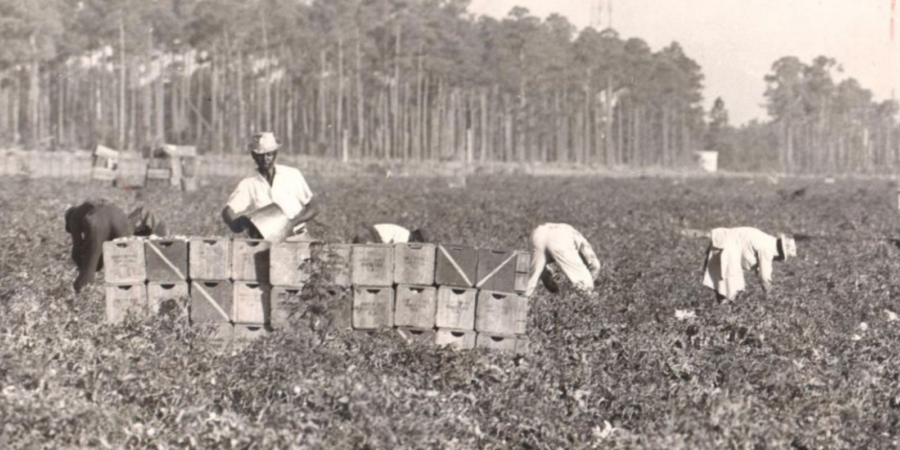
This year, Plusurbia partnered with the Miami-Dade County's Office of Historic Preservation (OHP) to develop four interactive StoryMaps that bring the county’s vibrant history to life. Each StoryMap explores a unique chapter in Miami-Dade’s development, from agriculture and architecture to land development and preservation, illustrating how the past continues to influence the region’s culture, economy, and urban form.
These StoryMaps aim to make local history more accessible to residents, students, and visitors alike—inviting everyone to explore, learn, and connect with the stories of our shared past.
You can explore the StoryMaps directly via the links below:Historic Preservation in Miami-Dade County
Miami-Dade County’s Architectural LegacyThe History of Agriculture in Miami-Dade County
1920s Themed Developments in Miami-Dade CountyAs part of this effort, Plusurbia also worked with the County and local municipalities to create a Historic Resource Guide. The guide provides residents and property owners with a detailed overview of every locally designated historic site in Miami-Dade County and how preservation works at the local level.
You can view or download the Historic Resource Guide here: Miami-Dade Historic Resource Guide (PDF)
Adopted in 2010, Miami 21 was the first form-based zoning code applied to a large U.S. city. It replaced outdated, car-centric regulations with a framework prioritizing walkability, mixed-use development, and cohesive neighborhood design. Miami 21 has since become a reference point for cities across the country exploring New Urbanism principles to guide growth in the 21st century.
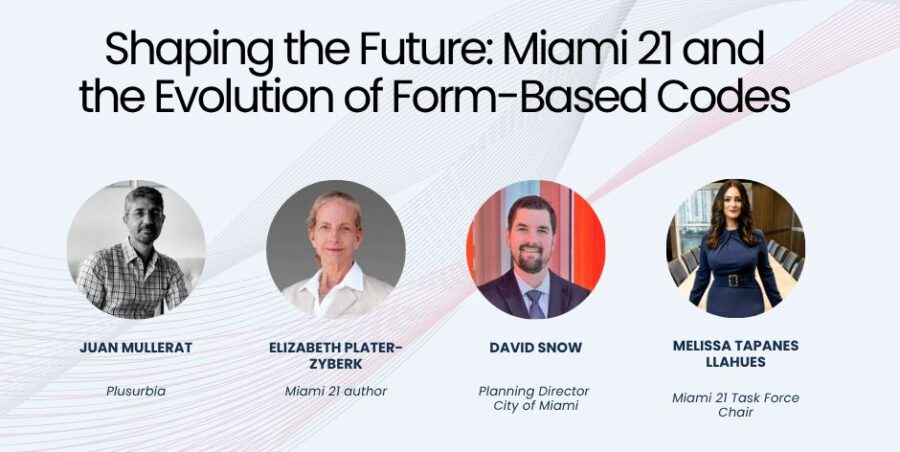
Juan Mullerat, Principal of Plusurbia, has long championed zoning as a tool for equity, resilience, and livability. joined a distinguished panel with Lizz Plater-Zyberk, Code author David Snow, City of Miami's Planning Director, and Melissa Tapanes Llahues, Land Use Attorney, to reflect on Miami 21’s legacy, its evolving role in shaping the built environment, and what’s next for cities embracing form-based codes.
The discussion examined how Miami 21 has influenced urban design, transportation, housing, and public spaces over the past 15 years, while also looking ahead to the evolving needs of a dynamic and growing city.
Watch the full panel discussion here:
On June 10, 2025, the Hialeah City Council unanimously adopted the Hialeah 2050 Master Plan, marking a major milestone for one of South Florida’s most vibrant and evolving cities. The planning process, coordinated by Plusurbia in collaboration with the city and partners, guided the development of this transformative, long-range vision.Built over nearly two years of collaboration and community engagement, the plan reflects the voices of residents, stakeholders, and local partners. Grounded in equity, connectivity, walkability, and economic opportunity, the Hialeah 2050 Master Plan provides a community-first roadmap to guide the city’s growth through 2050 while fostering neighborhood pride and enhancing the quality of life for all residents.We extend our gratitude to the City of Hialeah Municipal Government and to Debora Storch and Claudia Hasbun, AICP, for their leadership and trust throughout this process. We also thank our exceptional project team, including Urbe Studio, EXP, Corradino, and CÚRE & PENABAD, whose expertise helped bring this vision to life.Finally, thank you to all residents, stakeholders, and partners who contributed their voices, ideas, and energy to shape this plan. Together, we are building Hialeah’s future.Explore the full plan at: www.hialeah2050.com
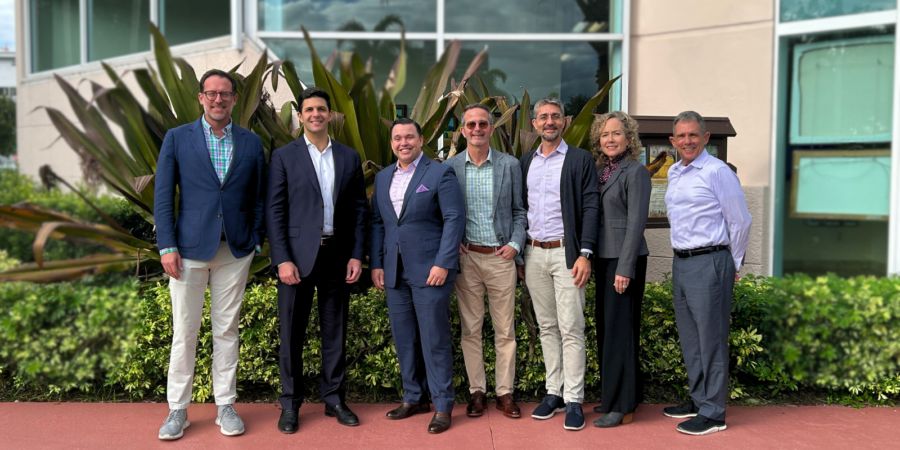
Plusurbia recently joined ULI Southeast Florida/Caribbean for the Technical Advisory Board Meeting in Hallandale, contributing to discussions on complex land use and development challenges.