our
news
AWARDS, ACCOLADES, PUBLICATIONS AND NEWS.

Are you passionate about shaping resilient, vibrant communities? Do you believe in the power of innovative, context-driven design? Plusurbia Design is looking for a creative Urban Designer to join our dynamic team.Position: Urban DesignerLocation: Miami, FLType: Full-TimeResponsibilities:Develop innovative urban design solutions for diverse projects, including master plans, community development, and public space design.
Collaborate with interdisciplinary teams to integrate planning, architecture, and landscape architecture into cohesive urban designs.
Conduct site analyses, conceptual design, and detailed design work, ensuring alignment with project goals and Plusurbia's philosophy.
Engage with communities and stakeholders to gather insights and incorporate feedback into design processes.
Prepare and present design proposals, reports, and visualizations to clients and public agencies.
Stay updated on urban design trends, zoning regulations, and sustainable practices to bring fresh ideas to projects.Required Qualifications and Skills:Bachelor’s degree in Architecture, Urban Design, or related field.
Strong portfolio demonstrating experience with urban design projects, including master plans, public spaces, and community developments.
Proficiency in design software such as AutoCAD, Adobe Creative Suite, Lumion, SketchUp, and GIS.
Excellent verbal, written, and graphic communication skills, with the ability to articulate design concepts clearly.
A passion for sustainable, resilient, and community-oriented design.
Self-motivated with good time management skills.Why Plusurbia Design?Plusurbia Design is an award-winning urban planning and design firm dedicated to creating inclusive, sustainable, and context-sensitive urban spaces. We work closely with communities, stakeholders, and local governments to deliver projects that enhance the quality of life and reflect the unique DNA of each place we touch. Our approach is rooted in the principles of placemaking, community engagement, and sustainable development.Be part of a growing, forward-thinking firm that values creativity, sustainability, and community impact.
Work on transformative projects that make a real difference in urban environments, from Regional Comprehensive plans to neighborhood and district revitalization and design.
Collaborate with a talented and passionate team in a supportive, innovative work environment.
Enjoy opportunities for professional growth and career advancement.Salary and Benefits:Salary – commensurate with experience and competitive in the marketplace.
401K ‘Elective Safe Harbor’ – Up to 3% of salary.
End-of-year performance-based bonus.
Benefits include personal days off, holidays, individual medical, dental, and vision insurance, and short—and long-term disability insurance.How to Apply:We'd love to hear from you if you're ready to contribute to meaningful urban design projects and grow with a leading firm!Send your resume, portfolio, and cover letter detailing your experience and why you’re a great fit for Plusurbia Design to careers@plusurbia.com.Applications that don't meet the requirements will be dismissed. Format the email with the subject line ‘Urban Designer Position.’
Portfolio, Resume, & Cover Letter must be in PDF format attached to the email. Deadline: Applications will be accepted until September 25th, 2024.Plusurbia Design is an equal-opportunity employer. We celebrate diversity and are committed to creating an inclusive environment for all employees.Join us in shaping the cities of tomorrow—today!
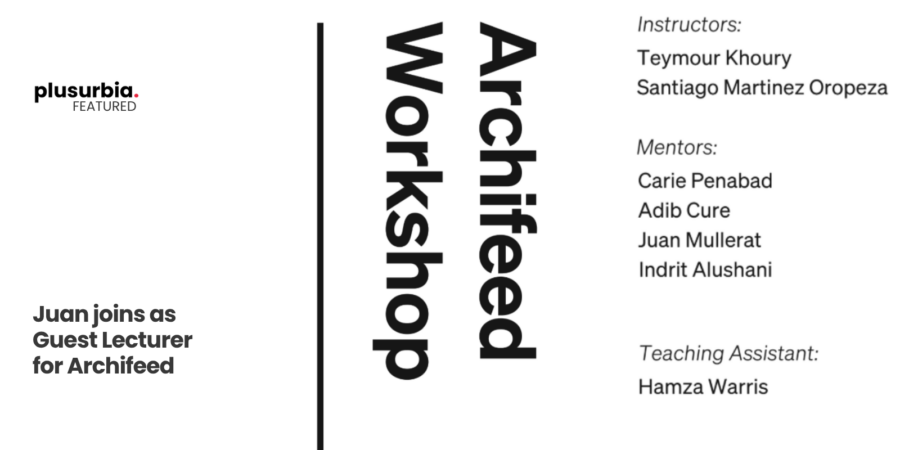
Plusurbia Principal Juan Mullerat participated in the Archifeed Lecture Series at the Coral Gables Museum, joining Indrit Alushani of the University of Miami School of Architecture and Carie Penabad and Adib Cure V. of Cure & Penabad.
The lecture is part of a four-session architecture workshop that also includes a bonus field trip and architectural tour, as well as a certificate of completion for participants.
During the event, Juan shared Plusurbia's approach to design: understanding the history and context of a place before drawing a single line. This philosophy guides the firm's work and reflects its belief that thoughtful design begins with a deep understanding of the communities and places it serves.
Plusurbia is proud to see this perspective shared with the next generation of designers and with community members helping shape the future of Coral Gables.
Learn more about the workshop here.
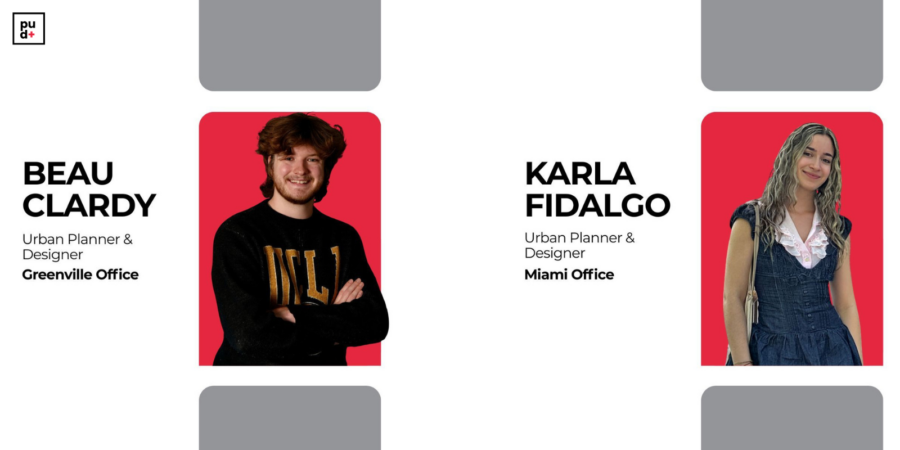
Plusurbia Design is pleased to announce that Karla Fidalgo and Beau Clardy have joined the firm as full-time Urban Planners & Designers. Both began their professional journeys with Plusurbia as interns and have now advanced into permanent roles within the team.Karla will be based in the Miami office, while Beau will work from the Greenville, South Carolina, office. Their transition reflects the firm’s continued commitment to developing emerging talent and strengthening multidisciplinary planning and design capacity across regions.At Plusurbia Design, growth is grounded in collaboration, curiosity, and a people-centered approach to design. Karla and Beau have consistently demonstrated these values through their work, contributing energy and dedication to projects focused on creating thriving, community-driven places.Their advancement marks an important milestone for the firm as Plusurbia continues to invest in professionals who help shape resilient, inclusive, and well-designed communities.
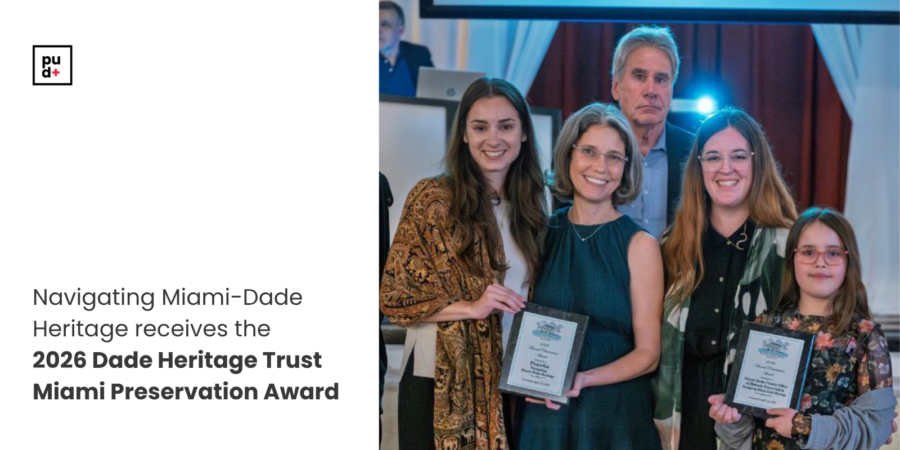
Plusurbia Design, together with the Miami-Dade County Office of Historic Preservation and the Miami-Dade County Department of Regulatory and Economic Resources, is honored to receive the 2026 Dade Heritage Trust Miami Preservation Award for the project Navigating Miami-Dade Heritage.
Each April, Dade Heritage Trust recognizes individuals and organizations whose work advances the protection and celebration of Miami-Dade County’s built heritage and natural environments. Being selected among this year’s honorees reflects the shared commitment behind this work.
The project reinforces a core principle at Plusurbia: successful planning begins with a deep understanding of place. Miami-Dade’s layered history—its neighborhoods, architecture, and cultural landscapes—actively informs how we approach preservation and planning.
We extend our appreciation to Dade Heritage Trust, Miami-Dade County, and the communities across the county whose trust allows us to help interpret and navigate what makes this region worth preserving.
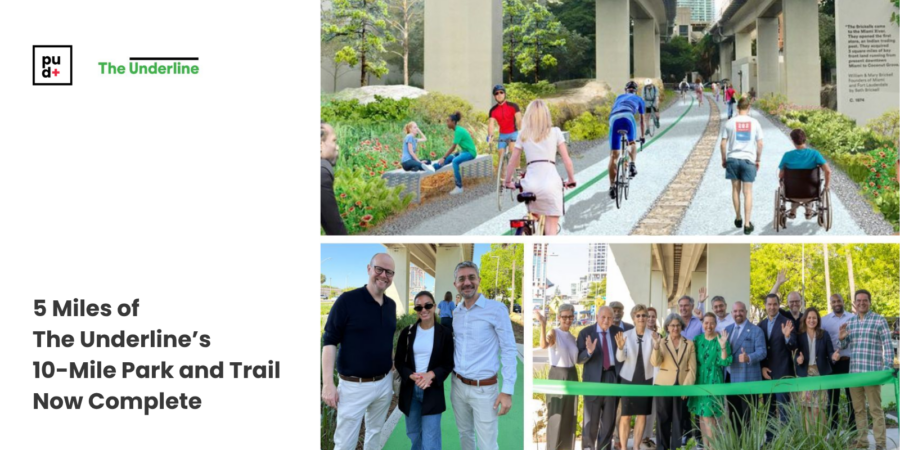
Proud to share that Friends of The Underline has recently reached a significant milestone, completing five miles of its 10-mile linear park and urban trail beneath Miami's Metrorail, connecting Brickell to Coconut Grove and Dadeland.
What began five years ago as a bold vision for how Miami could reclaim its public realm is now a living civic destination where mobility, recreation, culture, and community converge.
Plusurbia Principal and Founder Juan Mullerat, who serves on the Board of Directors of The Underline Conservancy, has been part of supporting this vision as it takes shape across Miami's neighborhoods. His work advancing walkable, connected, and inclusive urban environments reflects the same commitment that drives everything we do at Plusurbia: great places begin and end with people.
Five miles down. Five more to go.
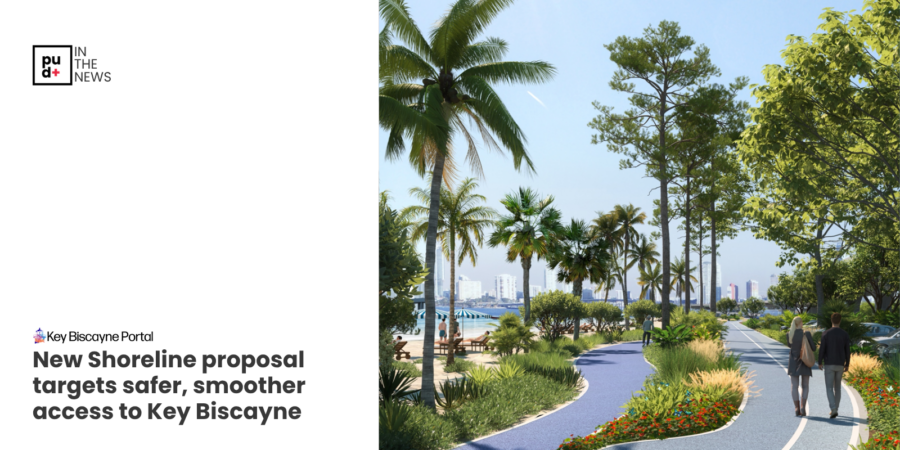
Plusurbia was recently featured in the Key Biscayne Portal in a piece covering the latest progress on The Shoreline, a proposed redesign of the Rickenbacker Causeway that would transform how people move to and from Key Biscayne.The article highlights several key concepts our team has been developing alongside HDR ENGINEERING and Friends of The Underline, including a split-level viaduct that separates fast-moving traffic from pedestrians and cyclists, 160% more beach space below, and improved access to destinations such as Virginia Key, Miami Marine Stadium, and MAST Academy.This project reflects exactly the kind of work Plusurbia was built to do. Complex, context-driven, and rooted in the belief that great infrastructure should serve people first. The Shoreline is not just a transportation solution. It is an opportunity to create a more connected, walkable, and resilient corridor for the tens of thousands of people who use the causeway every day.We believe that understanding a place and its context is critical in planning for the future. That means listening, analyzing, and designing with precision so that bold ideas can become implementable ones.The feasibility study is underway, and the conversation is just getting started.
Read the full article and follow the progress.
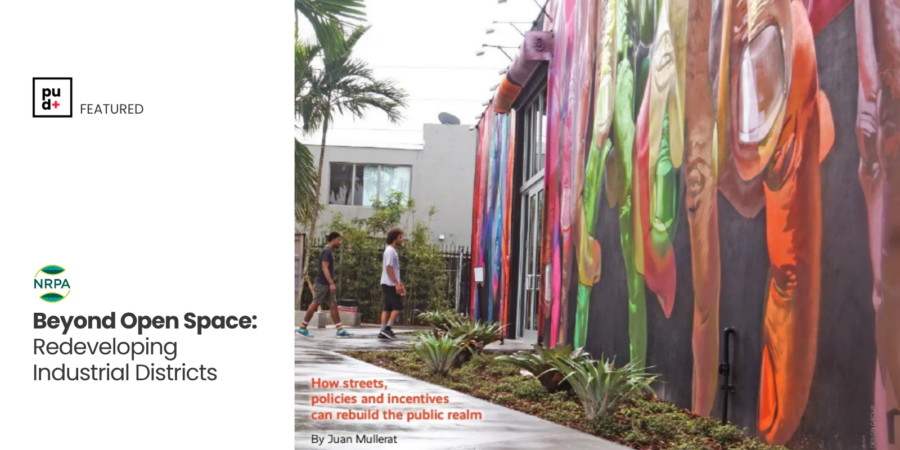
Plusurbia’s Wynwood Vision Plan and NRD-1, examples of how even small interventions can reshape the experience of a dense urban district, are explored further by Juan Mullerat in his latest piece in the May issue of the National Recreation and Park Association. The article examines Wynwood’s evolution from an industrial district into a mixed-use neighborhood, and what it reveals about the future of urban public space.
In places where parks were never planned, and land is limited, cities must take a different approach.
In a place surrounded by art to look at, people still need space to pause and experience nature.
By embedding public realm improvements into zoning, streets, and development, Wynwood reflects a broader shift in how cities can create more accessible, livable environments, where public space is not centralized but integrated into everyday life.
In a place built for visual engagement, the garden adds a space designed to pause and breathe.
Read the full article here.
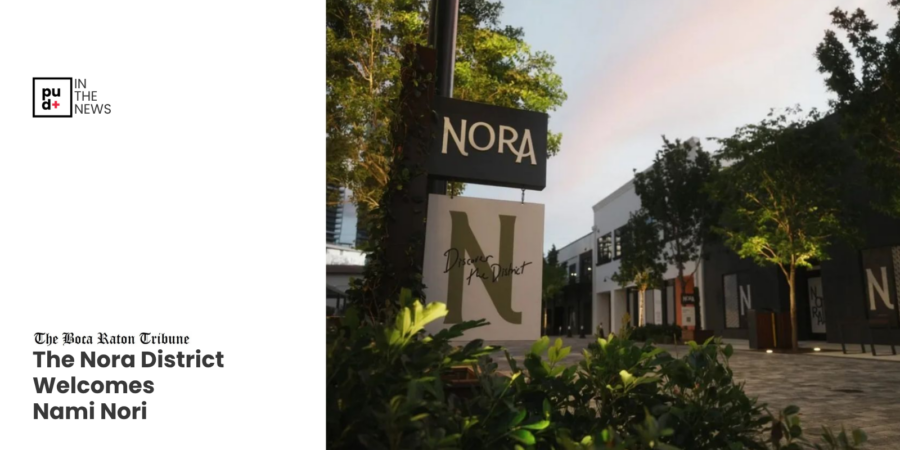
Plusurbia was recently featured in the Boca Raton Tribune in a piece spotlighting The Nora District. The article specifically references our role in shaping the master plan alongside the City of West Palm Beach.Districts like Nora don't happen by accident. They are the result of planning that begins with a deep understanding of place, its patterns of daily life, and its cultural context. When that foundation is in place, it creates the conditions for operators who are equally intentional about their concepts to want to be part of what the place can become.At Plusurbia, we believe the creation of great places begins and ends with people. That means listening and translating what we hear into environments where urban life can unfold naturally and where communities can genuinely thrive.Nora is a living example of what that process produces.
Read more: here
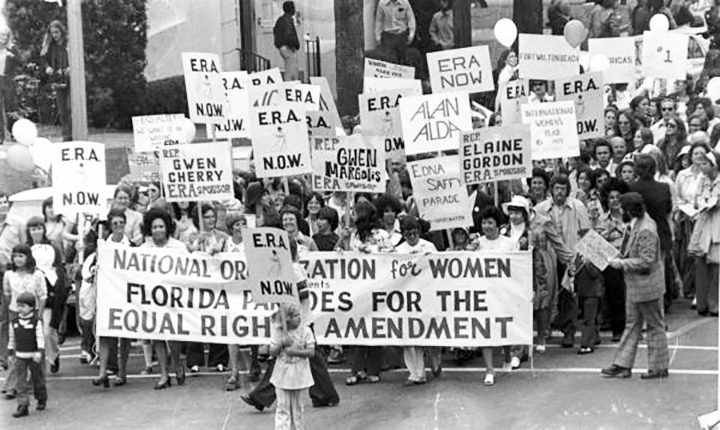
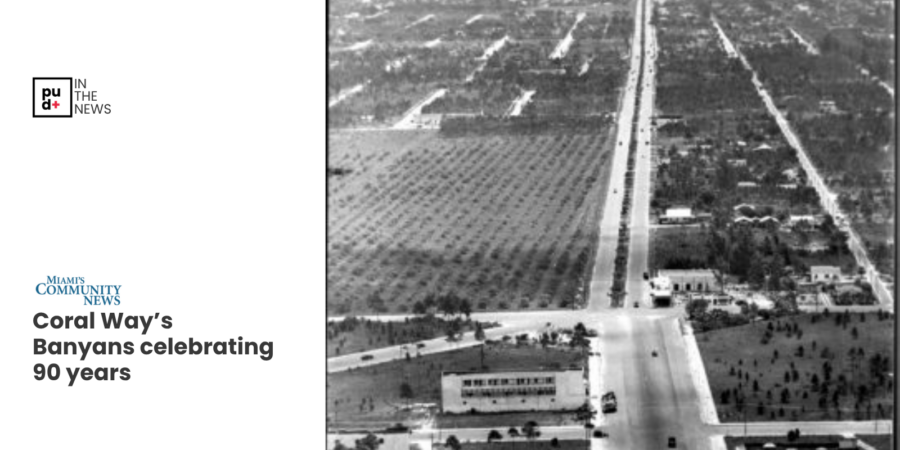
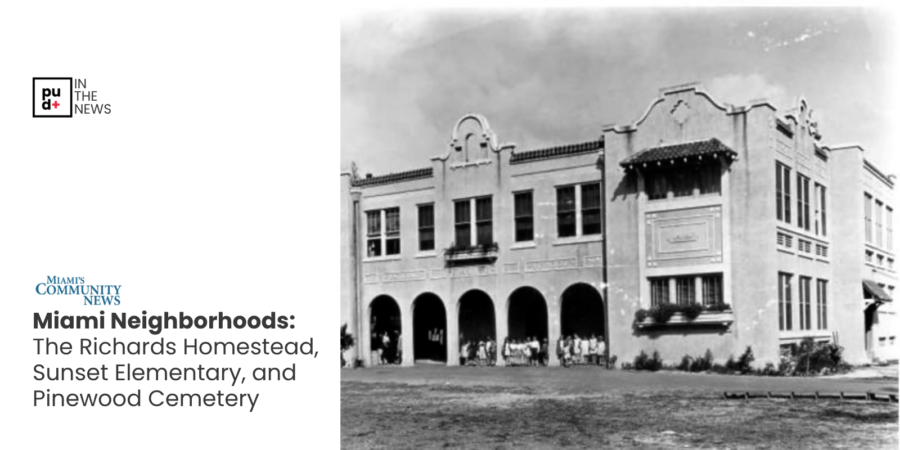
At Plusurbia Design, we believe that preserving historic neighborhoods means preserving the stories that define them. Recently, Megan McLaughlin, Director of Preservation Projects, examined how the history of Miami’s Brownsville neighborhood influenced the advocacy and leadership of pioneering civil rights champion Gwen Cherry.As Florida’s first African American woman elected to the state legislature, Cherry advanced causes that expanded opportunities for generations of Floridians, including efforts to establish Martin Luther King Jr. Day as a state holiday and support for the Equal Rights Amendment.Through preservation research and community storytelling, Plusurbia Design works to document and elevate the people, places, and events that have shaped our communities. Preserving these narratives helps strengthen civic identity and ensures that influential leaders like Gwen Cherry continue to inspire future generations.Read the full tribute to Gwen Cherry in Miami's Community Newspapers article here.
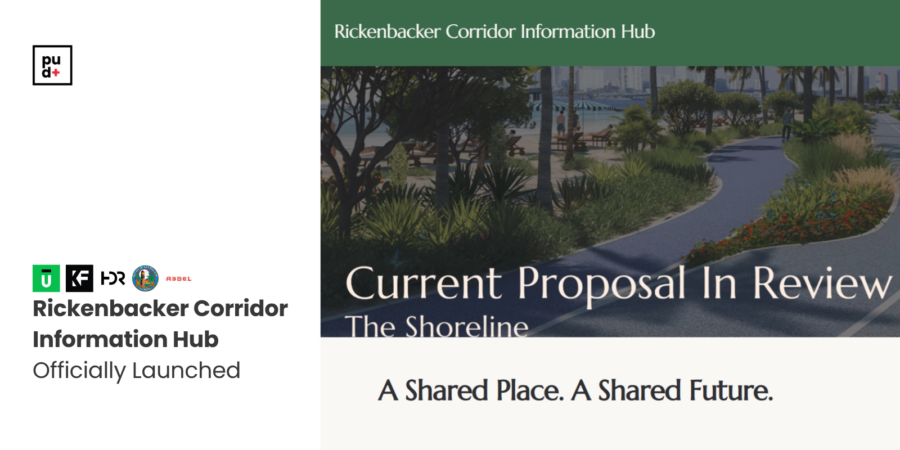
The Rickenbacker Causeway was designed to move traffic. Like most highways, it is defined by asphalt, speed, and capacity. But along Biscayne Bay, infrastructure also defines the health of the shoreline, and the quality of life for the people who use it.Today, the Causeway is more than a roadway. It is the primary connection to Virginia Key and Key Biscayne, and the front door to some of South Florida’s most important parks and coastal ecosystems. It carries vehicles, but it also shapes water flow, habitat continuity, and how people access, experience, and relate to the bay.The Shoreline concept asks a simple question: can infrastructure perform as both a mobility and green system, without compromise, and in a way that better serves people?By elevating through-traffic in strategic segments, it explores how the ground plane could be opened up, not by reducing lanes or capacity, but by reorganizing them. This creates room for restored shoreline conditions, native landscapes, stormwater absorption, and continuous public access along the water’s edge, while improving safety and connectivity for pedestrians and cyclists.This is not a typical highway project. It reframes infrastructure as part of a larger environmental system that supports ecology, resilience, and everyday public life.As part of this ongoing conversation, a new Rickenbacker Corridor Information Hub has been launched by the Key Biscayne Community Foundation, with support from the Knight Foundation, to provide a centralized resource on the corridor’s history, function, and future planning.This effort complements the feasibility study being conducted by Plusurbia Design, in collaboration with Friends of The Underline, exploring how the corridor can evolve as a more integrated system that supports mobility, ecology, and public life. The platform brings together key materials, timelines, and opportunities for public engagement as planning continues.Learn more at rickenbackercorridor.org
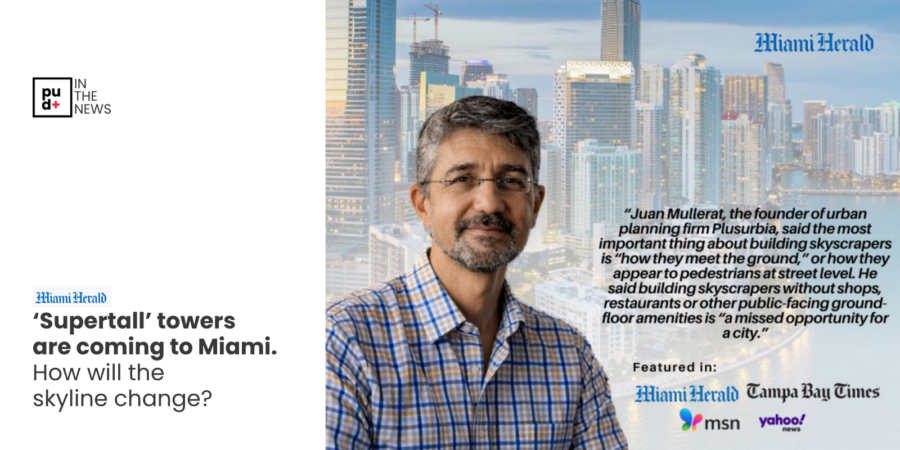
Miami’s skyline keeps making headlines, but cities aren’t experienced from above; they’re lived on the street.In a recent interview with Catherine Odom, Real Estate reporter with the Miami Herald, later syndicated across outlets including Tampa Bay Times, Yahoo News, and MSN, Plusurbia Design's Principal, Juan Mullerat, emphasized that a consistent oversight in high-rise development is that the relationship between towers and the street is often treated as secondary, when it should be fundamental.As new towers rise, their true impact is determined not by height, but by how they meet the ground. The base of a building shapes the public realm, influencing walkability, economic activity, and daily social interaction. When designed with intent, ground floors can reinforce the continuity of the street, support local businesses, and create environments where urban life can unfold naturally.At Plusurbia, this perspective begins with a deep understanding of a place, its people, patterns of daily life, and cultural history, and translates that insight into design that is built to endure.We believe buildings must add value to cities and must be built to serve the public at the street level.Read the article here.
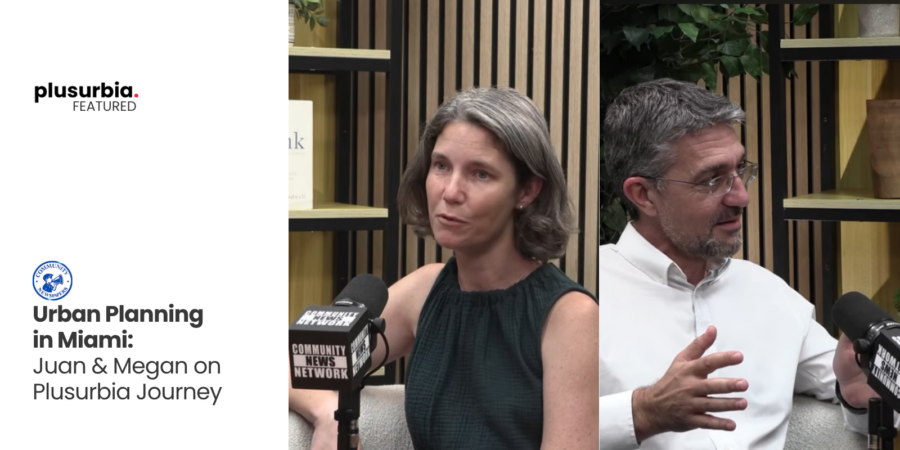
Real change in cities doesn’t happen overnight; it takes decades. At Plusurbia Design, we often talk about how planning is a long-term commitment, with impacts that can take 30 to 40 years to fully take shape.In a conversation with Harry Gotlieb from Miami's Community Newspapers, Juan Mullerat and Megan McLaughlin reflected on 20 years of progress made across Miami-Dade County and what still lies ahead.Because the cities we experience today were planned decades ago, and the decisions we make now will shape what comes next.
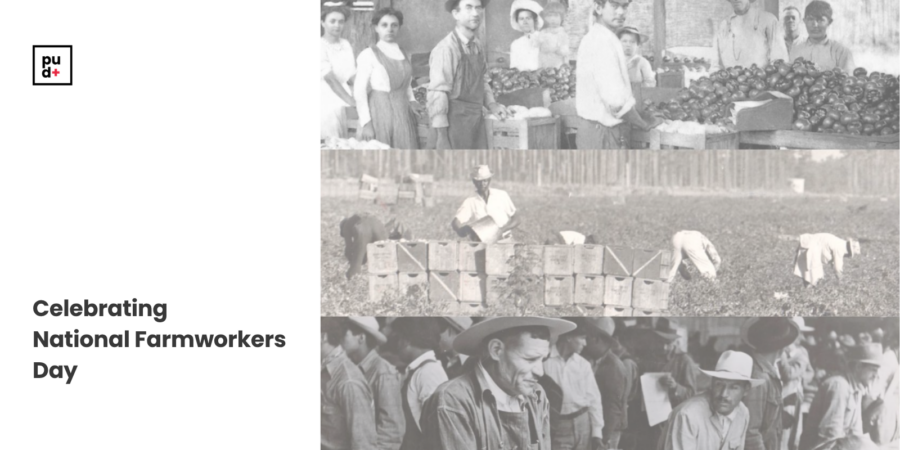
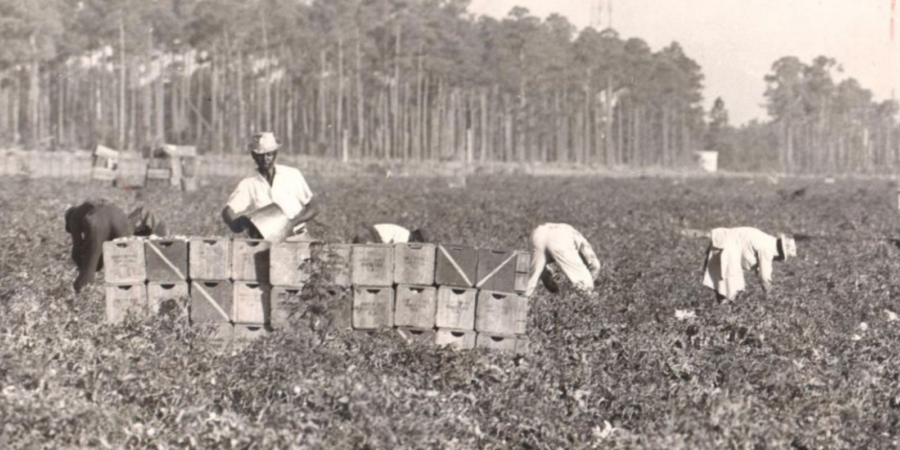
Much of Miami-Dade’s history exists in places and corridors people pass every day without realizing their significance.On National Farmworkers Day, it is important to recognize the individuals and communities whose labor has shaped South Florida in ways that often go unseen. For over a year, Plusurbia has been working closely with the Miami-Dade County Office of Historic Preservation on a Migrant Farmworkers Historic Context Study. The study includes extensive research, fieldwork, and community collaboration. To date, our team has identified 268 sites connected to migrant farmworker communities, from labor camps and housing to packing houses, commissaries, schools, churches, and local businesses.For the Plusurbia team, the story of migrant farmworkers is an important part of our history that needs to be told.Miami-Dade County's migrant farmworkers tell a story of resilience and diversity, with workers of American, Bahamian, Haitian, Mexican, Puerto Rican, and Caribbean ancestry who helped build the region’s agricultural and economic foundation. They also bring visibility to a history that has often been overlooked, despite its lasting impact on how Miami-Dade developed and continues to grow.At Plusurbia, we believe that knowing our history helps create a more inclusive and stronger foundation for the future.Learn more about the study here.
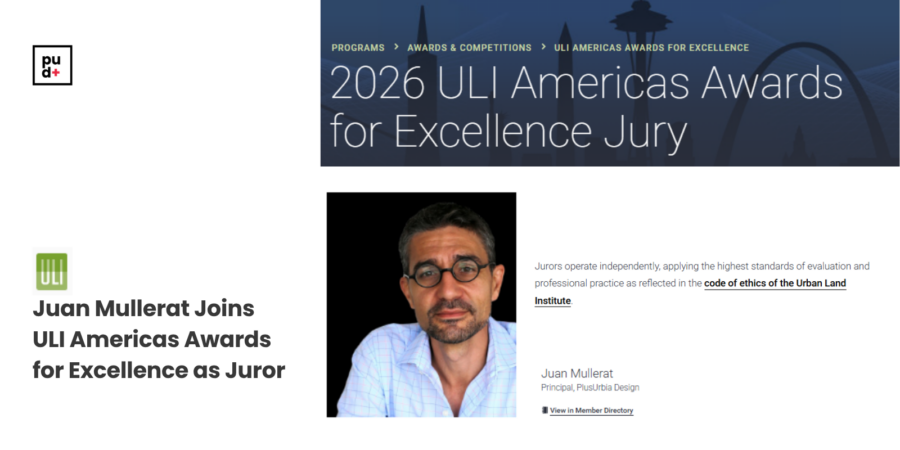
We’re proud to announce that Juan Mullerat, Founding Principal of Plusurbia Design, has been selected to serve as a juror for the Urban Land Institute Americas Awards for Excellence 2026.
ULI began the Awards for Excellence program in 1979 to recognize truly superior development efforts in the private, public, and nonprofit sectors. Winning projects represent the highest standards of achievement in the development industry—standards that ULI members deem worthy of attainment in their professional endeavors.
The jury brings together leaders from across the country to evaluate projects that are shaping how cities function and how they connect people, integrate nature, and respond to long-term social and environmental pressures.
A jury of ULI members chooses finalists and winners. Members of the jury are leaders who represent a broad geographic diversity and many areas of real estate and land use expertise, including finance, planning, development, public affairs, design, and professional services, among others.
In this role, Juan will help assess the ideas and approaches influencing the next generation of urban development, reflecting a broader shift toward more intentional and community-centered design.
His selection underscores Plusurbia’s continued focus on creating places that are grounded in context and designed to serve the communities around them.
We look forward to sharing perspectives from the process in the weeks ahead.Keep posted here.
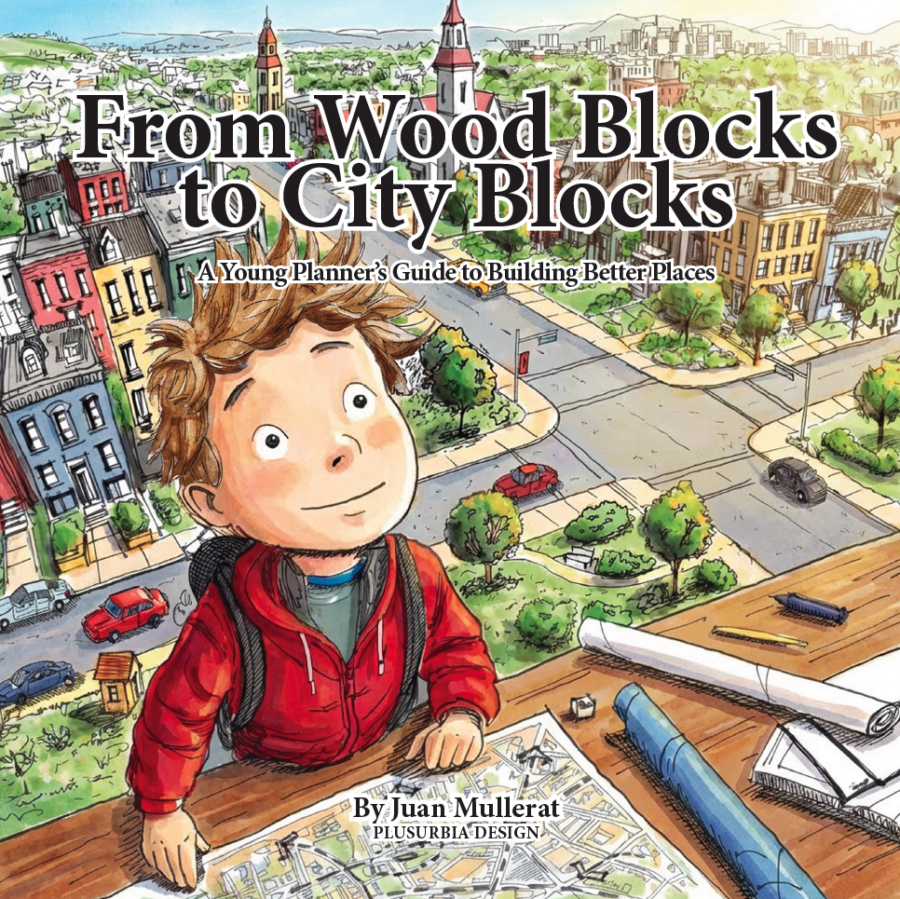
Cities shape children long before children understand what a city is.
They walk on sidewalks that may be cracked or smooth. They wait at bus stops without knowing why some have benches, and others do not. They cross streets designed by people they will never meet. These decisions influence their safety, independence, and sense of belonging long before they have the language to describe them.
Yet conversations about planning are usually reserved for professionals. By the time most people encounter zoning, infrastructure, or civic process, their assumptions about how places work are already formed.
We believe planning literacy should begin earlier. Planning is not only a professional practice. It is also a civic skill.
From Wood Blocks to City Blocks was created with that idea in mind. The book introduces young readers to the basic habits of good planning: observing, listening to others, identifying problems, and imagining practical improvements.
Over more than two decades of professional practice, our team has participated in charrettes, workshops, public meetings, and community engagement processes across many different settings. One pattern appears repeatedly. While public participation is encouraged, there are very few structured tools designed to involve children in meaningful ways. When children are included, their participation is often informal or symbolic. Yet children already experience the successes and failures of planning every day, often more directly than adults.
Yet children experience the public realm differently. They move at a different scale. They notice obstacles adults overlook. In workshops, they often point directly to problems in sidewalks, crossings, parks, and everyday infrastructure that professionals may have normalized.
For this reason, From Wood Blocks to City Blocks is not only a story, but it is also a practical engagement tool.
For planners. The book can support workshops, charrettes, and community engagement processes by providing activities that help children articulate what they observe and what they would change. For educators, it offers a framework for introducing civic responsibility, accessibility, and shared public space in language appropriate for younger audiences.
The story encourages children to observe closely, listen carefully, draw their ideas clearly, and begin with one small improvement. These habits mirror the fundamentals of responsible planning practice. Streets, parks, sidewalks, libraries, and schools are shared spaces. They belong to everyone. Understanding how cities work and how shared spaces can improve should not be limited to specialists or institutions.
For that reason, the digital edition of the book is offered freely. Planning knowledge should be accessible to the people who experience cities every day. It is shared under a Creative Commons license, allowing teachers, planners, educators, and community groups to use, print, share, and adapt it with attribution for non-commercial purposes. A low-cost print edition is also available for libraries, classrooms, workshops, and project teams that prefer a physical copy for public settings or community use.
Cities improve when more people are invited into the conversation. That invitation can begin early.
View the free digital edition, download the printable PDF, or order a print copy here.
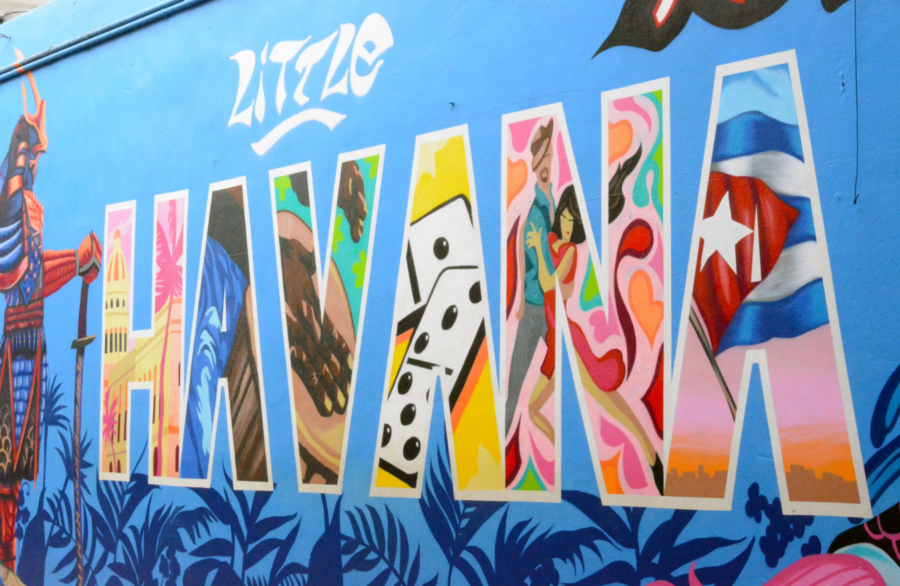
WLRN Public Media | By Sherrilyn CabreraPublished January 15, 2026 at 7:00 AM ESTCity leaders once lauded it as a bold vision for the future of one of Miami’s most famous streets and tourist destinations.When urban planning and design firm PlusUrbia unveiled its Calle Ocho Revitalization Plan in 2015, Miami city commissioners even went so far as to declare a day for the firm on Nov. 19 of that year. The plan laid out a reimagining of Little Havana’s SW 8th St — commonly known as Eighth Street or Calle Ocho, the Spanish translation — that aimed to bring a more pedestrian-friendly atmosphere.The vibrant cultural hub has been a bustling thoroughfare for decades, lined with shops, bars, and restaurants. It’s also home to renowned establishments like the historic Ball & Chain, Tower Theater, and the famous Domino Park — where mostly older Cuban residents gather to play dominoes while tourists watch. “Calle Ocho and Little Havana are the heart of Miami,” said Juan Mullerat, principal of PlusUrbia.The firm’s plan sought to build on that identity with a plan that visualized what Calle Ocho could look like — if cars did not dominate the wide, three-lane, one-way street. Instead, it would return the vibrant strip back into the two-way, two lane road it was before the late 1960s.The plan asks for expanded sidewalks, dedicated bike and bus lanes, and wider crosswalks that would be hard to miss. Instead of painted stripes on the road, a mural of giant dominoes would symbolize the crosswalks.“ By no means do we want to imply that Calle Ocho should be entirely pedestrian,” said Mullerat. “But if we're honest with ourselves … you experience great streets on foot. You don't experience them by car.”The plan got community input, too. Mullerat, along with Megan McLaughlin, PlusUrbia’s office director, spoke with residents and business owners about what they thought Calle Ocho needed.“All of our projects begin with community outreach, but also a lot of research into the culture and history of a community,” said McLaughlin. “What creates its DNA, what gives its identity?”“[The community is] continuing to advocate for greater walkability, safety,” she said. The firm also found that residents want to preserve the strip’s historic architecture.But since the introduction of the master plan a decade ago, the city has not picked up or signed off on any major changes to Little Havana’s Eighth Street.“ You always need a champion and you need that champion to stick with you for the longest possible period of time,” said Mullerat.Master plans for neighborhoods and cities, from idea to execution, take time, even decades. Meanwhile, politics tends to run in a four-year cycle. Urban planning and politics, Mullerat said, “are always at odds with each other.”

const canvas = document.getElementById('snowCanvas');
const ctx = canvas.getContext('2d');function resizeCanvas() {
canvas.width = window.innerWidth;
canvas.height = window.innerHeight;
}
window.addEventListener('resize', resizeCanvas);
resizeCanvas();const flakes = [];
const flakeCount = 80; // number of snowflakes
for (let i = 0; i < flakeCount; i++) {
flakes.push({
x: Math.random() * canvas.width,
y: Math.random() * canvas.height,
r: Math.random() * 4 + 1, // radius
d: Math.random() * flakeCount
});
}function drawFlakes() {
ctx.clearRect(0, 0, canvas.width, canvas.height);
ctx.fillStyle = 'white';
ctx.beginPath();
for (let i = 0; i < flakes.length; i++) {
const f = flakes[i];
ctx.moveTo(f.x, f.y);
ctx.arc(f.x, f.y, f.r, 0, Math.PI * 2, true);
}
ctx.fill();
moveFlakes();
}let angle = 0;
function moveFlakes() {
angle += 0.01;
for (let i = 0; i < flakes.length; i++) { const f = flakes[i]; f.y += Math.pow(f.d, 0.5) + 1; f.x += Math.sin(angle) * 2; if (f.y > canvas.height) {
f.y = 0;
f.x = Math.random() * canvas.width;
}
}
}setInterval(drawFlakes, 30);
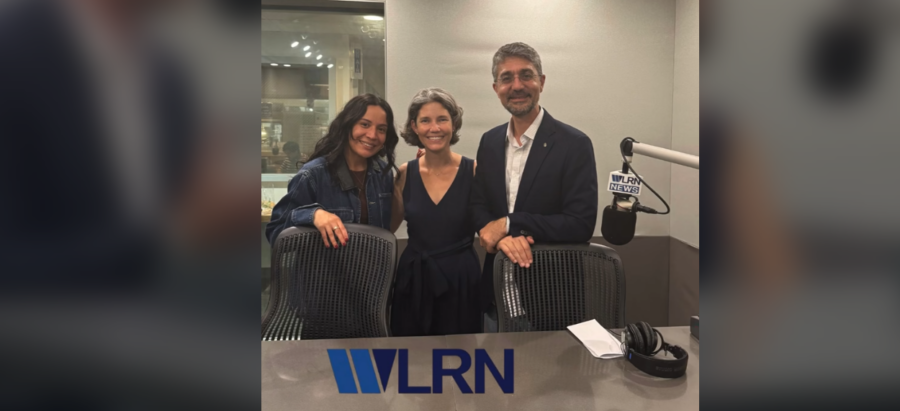
Plusurbia’s Megan McLaughlin and Juan Mullerat recently spoke with WLRN Public Media reporter Sherrilyn Cabrera about ten years of people-first design in Little Havana. From celebrating neighborhood successes to identifying opportunities for safer, more vibrant streets, they shared how collaborative, place-driven planning shapes a resilient and inclusive future.
“At Plusurbia, design begins and ends with people,” McLaughlin and Mullerat explain. By listening closely, understanding a community’s DNA, and translating ideas into actionable plans, Plusurbia creates spaces that honor cultural legacy while anticipating tomorrow’s challenges.The full interview will air in 2026. Stay tuned to learn more about how Plusurbia is helping shape Little Havana’s streets and public spaces for everyone who calls it home.
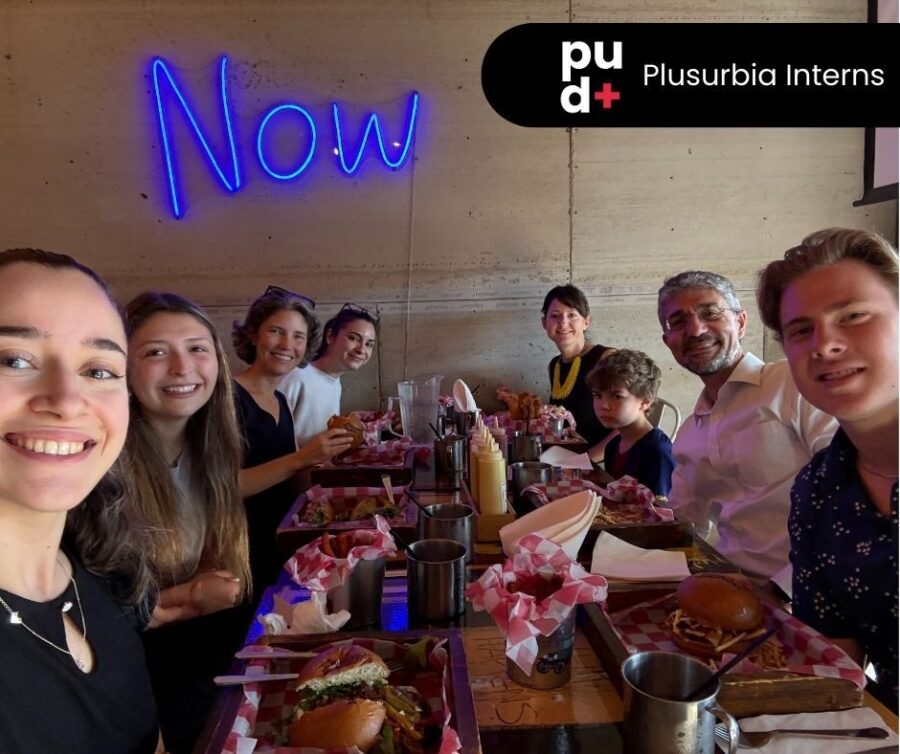
Plusurbia is thrilled to welcome a team of talented interns who will work alongside our staff on ongoing planning and urban design initiatives. They will take a hands-on role in project production and contribute to research and analysis, including our ongoing historic preservation work. Their involvement strengthens our team and underscores our commitment to forward-thinking, visionary planning and design.
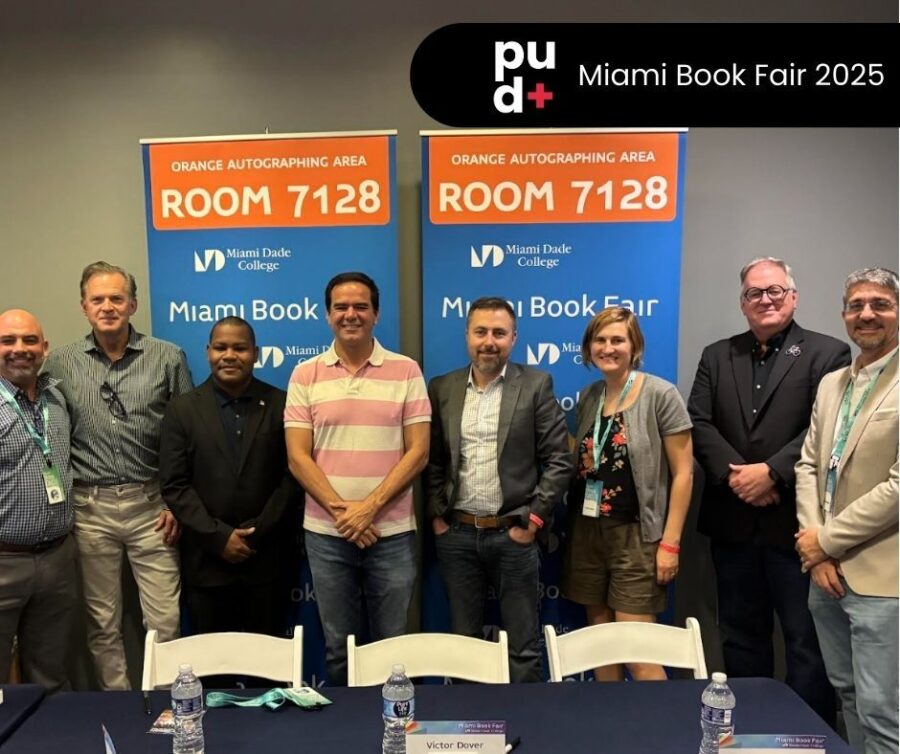
Sharing highlights from the Miami Book Fair on November 23, where Juan Mullerat, Principal of Plusurbia Design, joined the distinguished panel, “Cities, Mobility, and a Vision for a Better America.”
Presented by the Citizens' Independent Transportation Trust, the session brought together leading voices in urbanism: Angie Schmitt, Wes Marshall, Juan Mullerat, and Charles “Chuck” Bohl, with Victor Dover, FAICP, serving as moderator. The panel delivered an insightful and forward-looking conversation on the future of cities, mobility, and community-centered development.
During the program, Juan also presented his new book, The Urban Calendar: 365 Days That Shaped the Urban World, a collection of significant moments in urban history that continue to influence how cities grow, adapt, and thrive.A recording of the full session is available for viewing here:

Plusurbia founder Juan Mullerat was recently featured in Authority Magazine’s Cities of the Future series, discussing how walkable streets, active public spaces, and people-centered design contribute to more livable, productive, and sustainable cities.
In the Q&A, Juan reflects on the early influences that shaped his approach to urbanism, the importance of understanding a community’s DNA, and why collaboration and persistence are essential for meaningful, long-term change. He also highlights emerging Plusurbia tools, including LATTICE and THIRDPLACE, and shares insights on the evolving role of transit, multimodal mobility, and policies that help cities grow with intention and care.
Thank you to Yitzi Weiner for this illuminating feature.
Read the full story here.
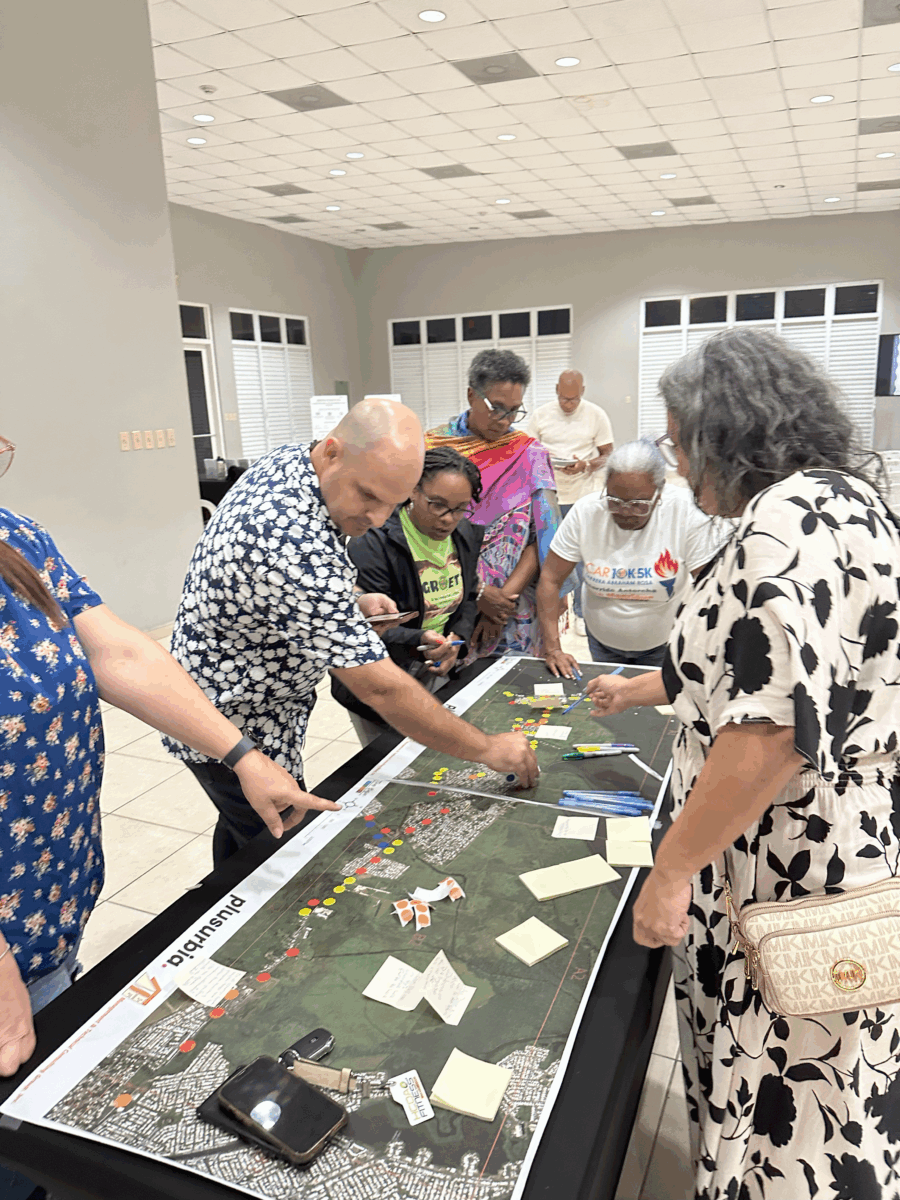
TOA BAJA, PR — August 2025 — Community Engagement in Full Swing! ❤️
Our team in Puerto Rico has successfully completed the first four community meetings as part of the Toa Baja Safety Action Plan—and the momentum continues to build. With four additional sessions planned, community engagement remains at the heart of this initiative.
We’re honored and inspired by the enthusiastic participation of residents and local stakeholders who are deeply committed to creating safer streets. Their insights, lived experiences, and thoughtful recommendations are shaping a plan that truly reflects the community’s priorities.These meetings represent a key step toward building a collaborative vision for safer, more accessible neighborhoods. At Plusurbia, we believe meaningful change begins with listening—and the voices of the community have been clear and impactful.Thank you to everyone who has taken part in the process so far. Your input is the foundation of this effort, and we’re excited to continue working together to create safer, more connected communities.Scroll down for highlights from the events![gallery size="medium" columns="2" link="file" ids="28647,28646,28645,28644,28638,28641,28642,28643"]
Miami's identity is etched in its past. A vibrant history that continues to shape the Magic City’s present and future.
This year, Plusurbia partnered with the Miami-Dade County's Office of Historic Preservation (OHP) to develop four interactive StoryMaps that bring the county’s vibrant history to life. Each StoryMap explores a unique chapter in Miami-Dade’s development, from agriculture and architecture to land development and preservation, illustrating how the past continues to influence the region’s culture, economy, and urban form.
These StoryMaps aim to make local history more accessible to residents, students, and visitors alike—inviting everyone to explore, learn, and connect with the stories of our shared past.
You can explore the StoryMaps directly via the links below:Historic Preservation in Miami-Dade County
Miami-Dade County’s Architectural LegacyThe History of Agriculture in Miami-Dade County
1920s Themed Developments in Miami-Dade CountyAs part of this effort, Plusurbia also worked with the County and local municipalities to create a Historic Resource Guide. The guide provides residents and property owners with a detailed overview of every locally designated historic site in Miami-Dade County and how preservation works at the local level.
You can view or download the Historic Resource Guide here: Miami-Dade Historic Resource Guide (PDF)
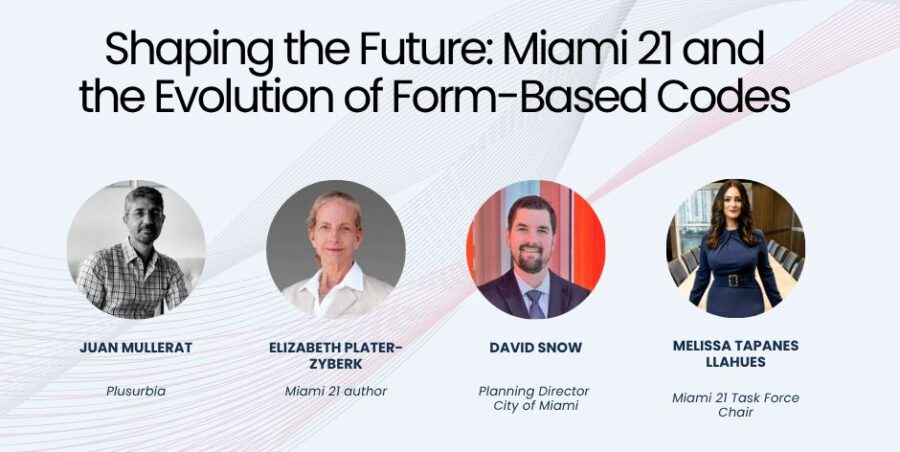
Adopted in 2010, Miami 21 was the first form-based zoning code applied to a large U.S. city. It replaced outdated, car-centric regulations with a framework prioritizing walkability, mixed-use development, and cohesive neighborhood design. Miami 21 has since become a reference point for cities across the country exploring New Urbanism principles to guide growth in the 21st century.
Juan Mullerat, Principal of Plusurbia, has long championed zoning as a tool for equity, resilience, and livability. joined a distinguished panel with Lizz Plater-Zyberk, Code author David Snow, City of Miami's Planning Director, and Melissa Tapanes Llahues, Land Use Attorney, to reflect on Miami 21’s legacy, its evolving role in shaping the built environment, and what’s next for cities embracing form-based codes.
The discussion examined how Miami 21 has influenced urban design, transportation, housing, and public spaces over the past 15 years, while also looking ahead to the evolving needs of a dynamic and growing city.
Watch the full panel discussion here:
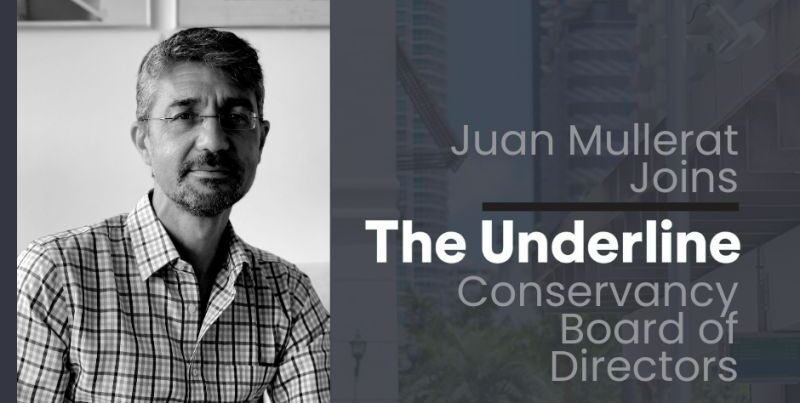
We are proud to share that Juan Mullerat, Principal and Founder of Plusurbia, has joined the Board of Directors of The Underline Conservancy.
The Underline is reshaping how Miami experiences public space, transit, and neighborhood connections. As a transformative urban project, it creates a linear park and civic destination that brings together mobility, recreation, and culture—making Miami a more connected and livable city.
Juan’s new role reflects Plusurbia’s dedication to contextual design, community engagement, and long-term planning. His experience in advancing resilient, walkable, and inclusive urban environments will help support The Underline’s continued growth as a civic space that strengthens neighborhoods and fosters connection across Miami.
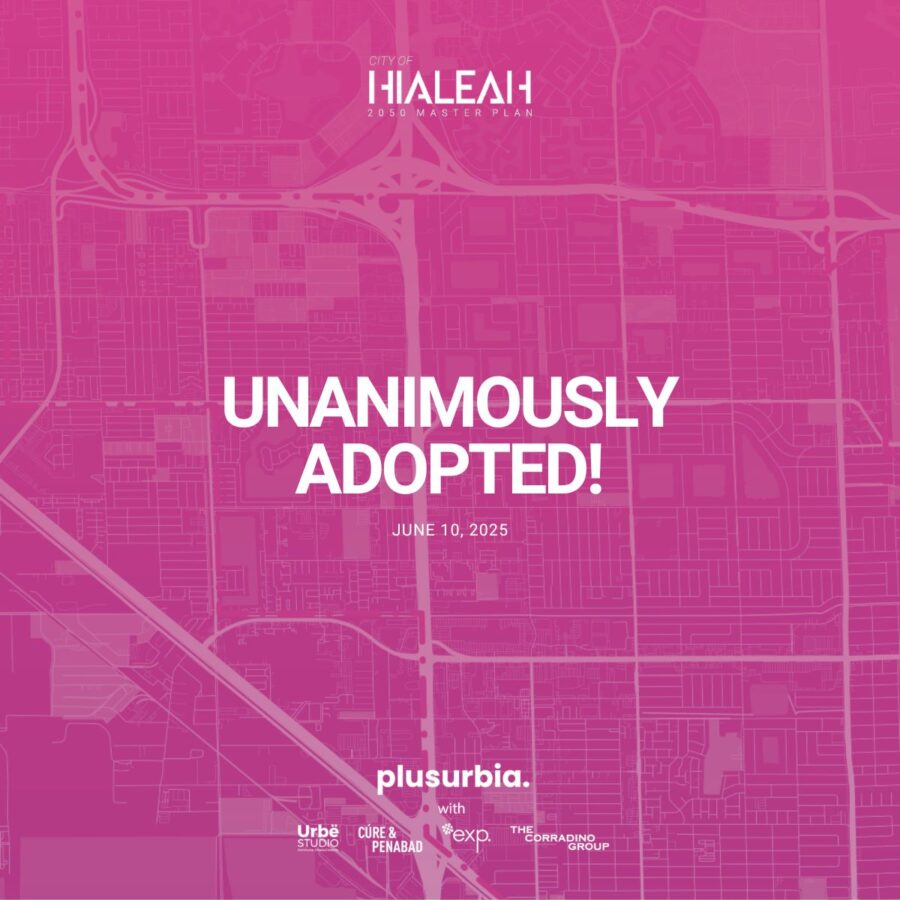
On June 10, 2025, the Hialeah City Council unanimously adopted the Hialeah 2050 Master Plan, marking a major milestone for one of South Florida’s most vibrant and evolving cities. The planning process, coordinated by Plusurbia in collaboration with the city and partners, guided the development of this transformative, long-range vision.Built over nearly two years of collaboration and community engagement, the plan reflects the voices of residents, stakeholders, and local partners. Grounded in equity, connectivity, walkability, and economic opportunity, the Hialeah 2050 Master Plan provides a community-first roadmap to guide the city’s growth through 2050 while fostering neighborhood pride and enhancing the quality of life for all residents.We extend our gratitude to the City of Hialeah Municipal Government and to Debora Storch and Claudia Hasbun, AICP, for their leadership and trust throughout this process. We also thank our exceptional project team, including Urbe Studio, EXP, Corradino, and CÚRE & PENABAD, whose expertise helped bring this vision to life.Finally, thank you to all residents, stakeholders, and partners who contributed their voices, ideas, and energy to shape this plan. Together, we are building Hialeah’s future.Explore the full plan at: www.hialeah2050.com
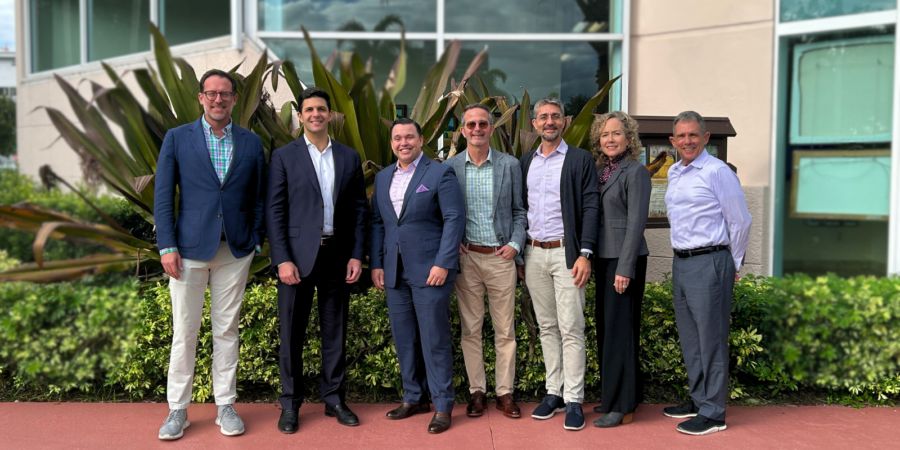
Plusurbia recently joined ULI Southeast Florida/Caribbean for the Technical Advisory Board Meeting in Hallandale, contributing to discussions on complex land use and development challenges.

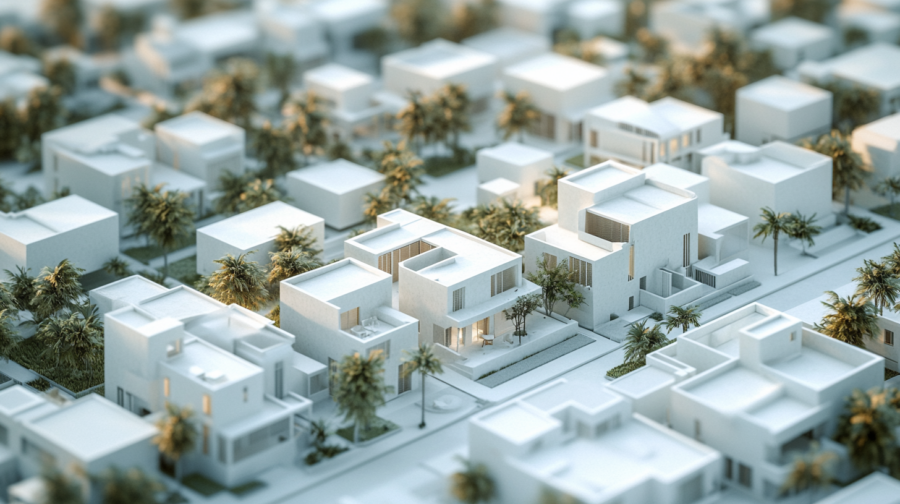
Article was originally published in the Coconut Grove Spotlight
September 3rd, 2024 When my son gets hurt, I console him with the phrase “sana, sana, colita de rana,” which loosely translates to "heal, heal, little frog's tail." It makes no real sense, but it always makes him feel better. However, when he’s genuinely injured, we seek professional help.Similarly, the "Live Local Act" (SB102) bill, enacted with minimal input from city planners and architects, seeks to address Florida's housing crisis with good intentions but without professional precision and foresight. This law will reshape our cities by streamlining development and promoting higher-density housing in commercial and industrial areas without the expert insight to understand its impact on our communities and the essential services required for healthy urban strategic growth. It’s akin to saying, “Sana, sana, SB102 de rana,” hoping the housing crisis will be resolved without side effects.When tackling affordability, it is vital to prioritize healthy strategic growth. The bill’s authors, though knowledgeable about zoning, would have benefited from a deeper understanding of how cities function, their unique qualities, histories, and diverse characters. However, with 411 municipalities and over 10,000 neighborhoods in Florida, who could cater to the specific needs of each one? No one can, and that’s why a blanket approach to affordability is ill-conceived.Height and density aren't suitable everywhere. SB102 neglects resilient measures by promoting large-scale development in vulnerable coastal and flood-prone areas. It neglects essential infrastructure like roads, emergency services, schools, and parks—elements covered in Comprehensive Plans to guide strategic growth and ensure livability. Placing housing indiscriminately in commercial and industrial zones risks overwhelming infrastructure, worsening congestion, and straining utilities. Without careful planning and provision of these services, new affordable developments will be built in the wrong places without proper services, amplifying the issues SB102 aims to resolve.A critical flaw in SB102 is assuming that density requires height. Florida’s 1920s and 30s small-scale apartments show that small, high-density buildings exist compatibly within neighborhoods. With limited parking and minimal amenities, these buildings have low HOAs and construction costs and maintain affordable rents. For instance, Miami's 1920s central corridor buildings, like 2401 Overbrook St in Coconut Grove, achieve 60-150 dwelling units per acre with just 2-3 stories, blending seamlessly into the urban fabric. Options like ADUs, triplexes, and courtyard apartments further enhance neighborhood diversity and housing availability. This doesn’t mean less housing, but more integrated rather than concentrated in towering structures. Instead of SB102’s ‘super-size-it’ approach, efficient, quality affordable housing works better when introduced strategically throughout a community.By prioritizing maximum heights and large-scale developments, SB102 overlooks the diverse housing types that have historically made our neighborhoods vibrant and inclusive. These housing types offer various densities while maintaining a harmonious scale, ensuring that buildings complement rather than overshadow each other. The bill needs to provide solutions that address affordability while preserving neighborhood character. Large-scale developments often require extensive land assemblies, encouraging land banking, speculation, and displacement of existing residents and businesses, ultimately exacerbating the problems the law aims to solve—particularly in hyperinflated markets—undermining the character and scale of established neighborhoods.While the legislation encourages development near transit by reducing parking requirements, it must prioritize it. This is an opportunity to encourage growth around transportation nodes and corridors, gradually decreasing height to match the existing neighborhoods’ character with smaller, scaled-down infill projects that blend seamlessly into the urban fabric. Such a strategy would preserve the character of lower-rise areas, contributing to balanced growth and maintaining community integrity while accommodating new residents to support public transit. This approach would reduce congestion and promote sustainable transit-supportive environments, motivating cities to enhance transportation options and reducing car dependency and the need for onerous parking mandates.The law must seriously address the impact of parking on housing affordability. Mandating parking on any new development imposes significant financial burdens, driving up the cost of housing and making units less affordable. While parking may be desirable, especially in areas with limited public transit, existing stringent parking requirements increase development costs and exacerbate affordability issues. Parking should be optional, not mandatory. Numerous cities nationwide are eliminating parking minimums. Although not all cities may be ready for this, SB102 should require parking exemptions, at least in all TOD areas within half a mile, allowing the market to determine parking needs and compelling cities to invest in alternative mobility solutions. Parking should be considered an amenity, not a requirement, as the cost of structured parking—averaging $30,000 per space (or $60,000 if two spaces are required)—inevitably results in higher housing prices.A more profound issue lies in how 'affordable' is calculated. The current method using Area Median Income (AMI) is too broad and often fails to reflect real household economics, particularly in gentrifying or economically diverse neighborhoods where wealthier newcomers skew the median income. As a result, the 'affordable' units created under this legislation are often still out of reach. For example, in Miami-Dade, 'affordable' rents at 120% AMI are set at $2,554 for a one-bedroom and $3,063 for a two-bedroom unit. To afford this under HUD guidelines—where housing costs should be no more than 30% of income—a family of three would need to earn $122,520 annually, far above the county's median income of $79,400 and even more unrealistic in areas like the West Grove, at $50,000. Without a more precise approach considering local economic conditions, the housing produced under SB102 will remain inaccessible to those who truly need it, creating low-end market units rather than genuine affordable housing.Localized income assessments would ensure more realistic AMIs to achieve true affordability. The current thresholds could exacerbate displacement, pushing existing residents out of their communities. A fairer, more calibrated AMI and access to essential services like schools, parks, and transportation are crucial for creating sustainable and equitable housing solutions. Without these adjustments, SB102 risks perpetuating the housing crisis and worsening inequality.The law has sparked concerns among urban planners and local governments by overriding zoning laws and imposing a one-size-fits-all approach that disregards the unique needs of individual communities. This preemption limits local authorities' ability to develop strategies that align with their strategic growth plans, neighborhoods' character, and historical context, creating tension between state and local objectives.Much like the issues that led to the 1776 Declaration of Independence, where the 'consent of the governed' was crucial, this top-down approach from Tallahassee highlights a significant disconnect. Lawmakers in the state capital are not and cannot be attuned to the nuances of life in every community, much less in South Florida. Given the distinct challenges and opportunities here, perhaps it’s time to consider whether South Florida requires more autonomy to ensure that development policies are crafted with a deep understanding of our region’s unique context and needs.
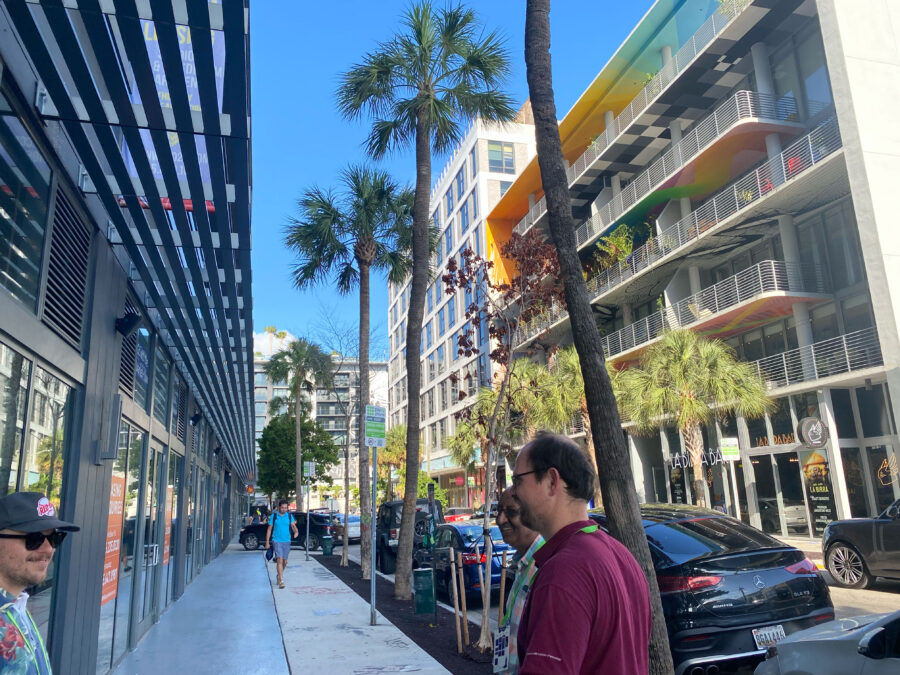
By Andres Viglucci
June 22, 2024 5:00 AMMiami’s Wynwood may be the hottest, hippest neighborhood in America’s hottest city: A dynamic urban fusion of repurposed industrial buildings and warehouses interspersed with new, low-rise buildings housing shops, bars and restaurants, offices and apartments, all of it steeped in artful design and curated graffiti murals. Its success is no accident. The reinvigorated Wynwood, once a derelict industrial zone, is the deliberate result of unique planning guidelines and development limits painstakingly laid out a decade ago by district property owners and city of Miami planners. The special Wynwood regulations are backed by a distinct vision — for a dense yet human-scaled alternative to the new high-rise forests of Brickell and Edgewater. But just as they begin to bear fruit, the carefully laid plans for Wynwood are threatened by a controversial new state law, the Live Local Act, which overrides local building controls and encourages developers to supersize projects in exchange for setting aside apartments as ostensibly affordable housing. Critics say Live Local is a giveaway to developers and the promised affordable housing is anything but that.Read more at: https://www.miamiherald.com/news/local/community/miami-dade/article289287445.html#storylink=cpy
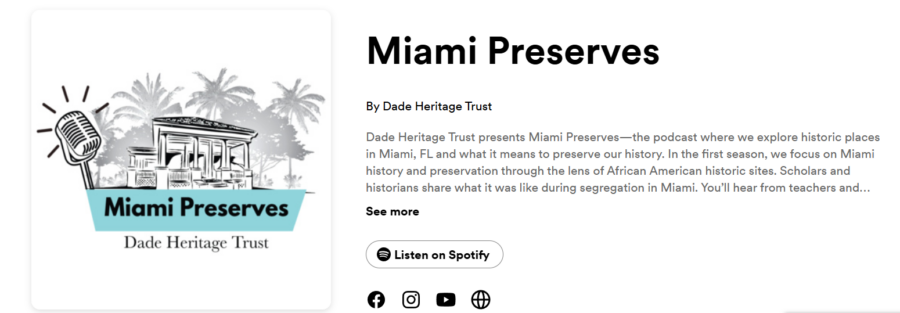
Dade Heritage Trust (DHT) proudly announces the launch of its new podcast, "Miami Preserves." This podcast, produced in collaboration with DHT’s Historic Places, Green Spaces education program, delves into the rich tapestry of Black history in Miami. Through captivating interviews and archival recordings, "Miami Preserves" illuminates the stories, struggles, and achievements of the African American community in this vibrant city.Inaugural Episode and Series LaunchThe inaugural episode features our very own Historical Preservation Specialist, Megan Mclaughlin. Listen to this insightful discussion on America's African American history, kicking off a content-rich four-part series. The trailer for this eagerly anticipated series has already been released, generating excitement for the first episode, which will be available on all major podcast platforms starting June 26, 2024.Listen and SubscribeListeners can access the trailer and subscribe to "Miami Preserves" here. This series aims to celebrate Miami’s African American cultural heritage, preserving and honoring the community's significant contributions to the city’s history and identity.Join the JourneyJoin DHT on this compelling journey as "Miami Preserves" brings to life the stories that have shaped the African American experience in Miami. Don't miss this unique opportunity to connect with the past and celebrate the vibrant cultural heritage that continues to enrich the city.
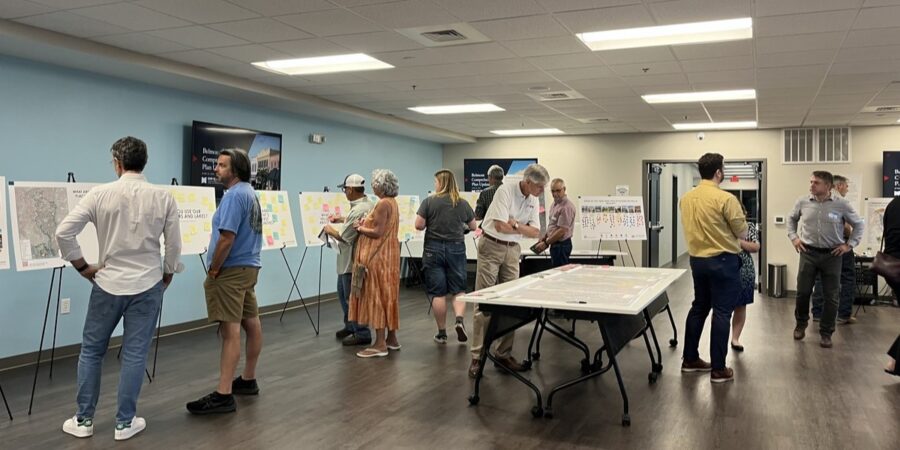
Belmont, NC–Plusurbia is thrilled to announce the completion of a successful multi-month public engagement campaign in the City of Belmont. Featuring eight community workshops, informative presentations, Q&A, small group meetings and an online survey, the initiative provided essential guidance for the city’s Comprehensive Land Use Plan update.Altogether, our team received nearly 1,600 comments on Belmont’s opportunities, challenges and aspirations, far exceeding community involvement during the last plan update in 2018. We also invested over two weeks of in-person time, talking with community stakeholders and getting to know Belmont, foraging a deeper connection with residents, business owners and community leaders.
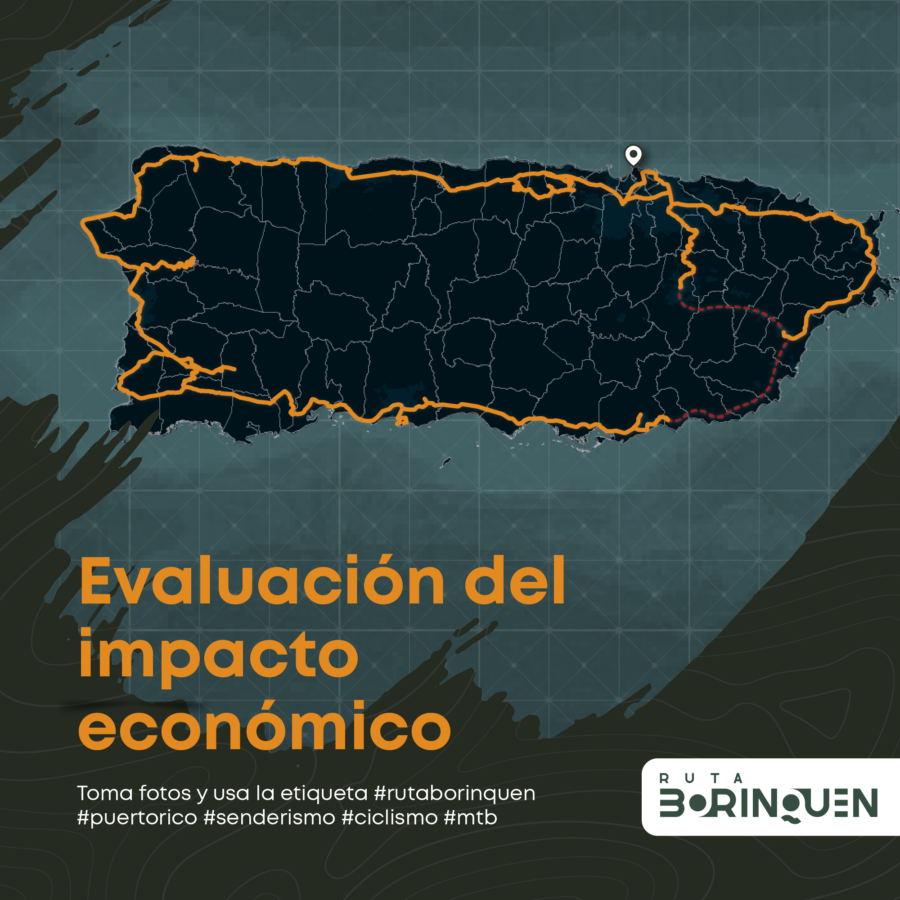
The Puerto Rican government is making strides in preserving its rich rail heritage with the introduction of House Bill (PC 2141). Filed by five representatives, this bill seeks to enshrine the preservation of 19th and 20th-century railroad routes as public policy. It also directs government entities to create a non-motorized transportation route for historical, cultural, and ecological tourism, proposing the development of the Borinquen Trail.Historical SignificancePC 2141 highlights that by the late 19th century, Puerto Rico boasted approximately 1,000 kilometers of railroads, positioning it as one of the regions with the most extensive railroad networks per square kilometer. These railroads were integral to the island’s development and historical landscape.Efforts by Plusurbia DesignPlusurbia Design has been working to preserve this legacy since 2018. The Borinquen Trail encompasses a 426-mile corridor aimed at safeguarding the historical importance of Puerto Rico’s old train tracks. This initiative seeks to enhance the island’s cultural heritage, support sustainable tourism, and engage the community.The Borinquen Trail: A Vision for the FutureThe Borinquen Trail will feature a multimodal ecological route designed for biking and pedestrian use, traversing the Puerto Rican archipelago. It will link various natural, historical, cultural, tourist, and gastronomic attractions along the old rail routes. This pioneering project promotes health, stimulates economic and tourist activity, and fosters a vibrant cycling and pedestrian community, all while preserving and celebrating Puerto Rico’s natural, historical, and cultural heritage.
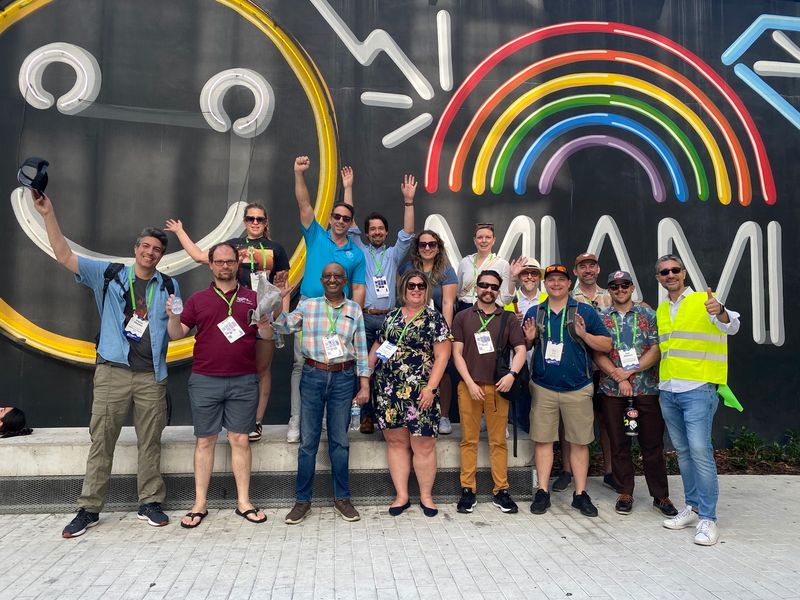
On May 8 and 9, 2024, Miami hosted an insightful walkshop titled "Metamorphosis of a District: How the Design District, Midtown, and Wynwood Emerged as Miami's Preeminent Revitalization Experiments." This event, held as part of the National Association of City Transportation Officials (NACTO) Conference, was co-led by urban planning experts Juan Mullerat, Graham Jones from the City of Miami, and Cesar Garcia-Pons of Garcia+Pons and Associates, LLC.
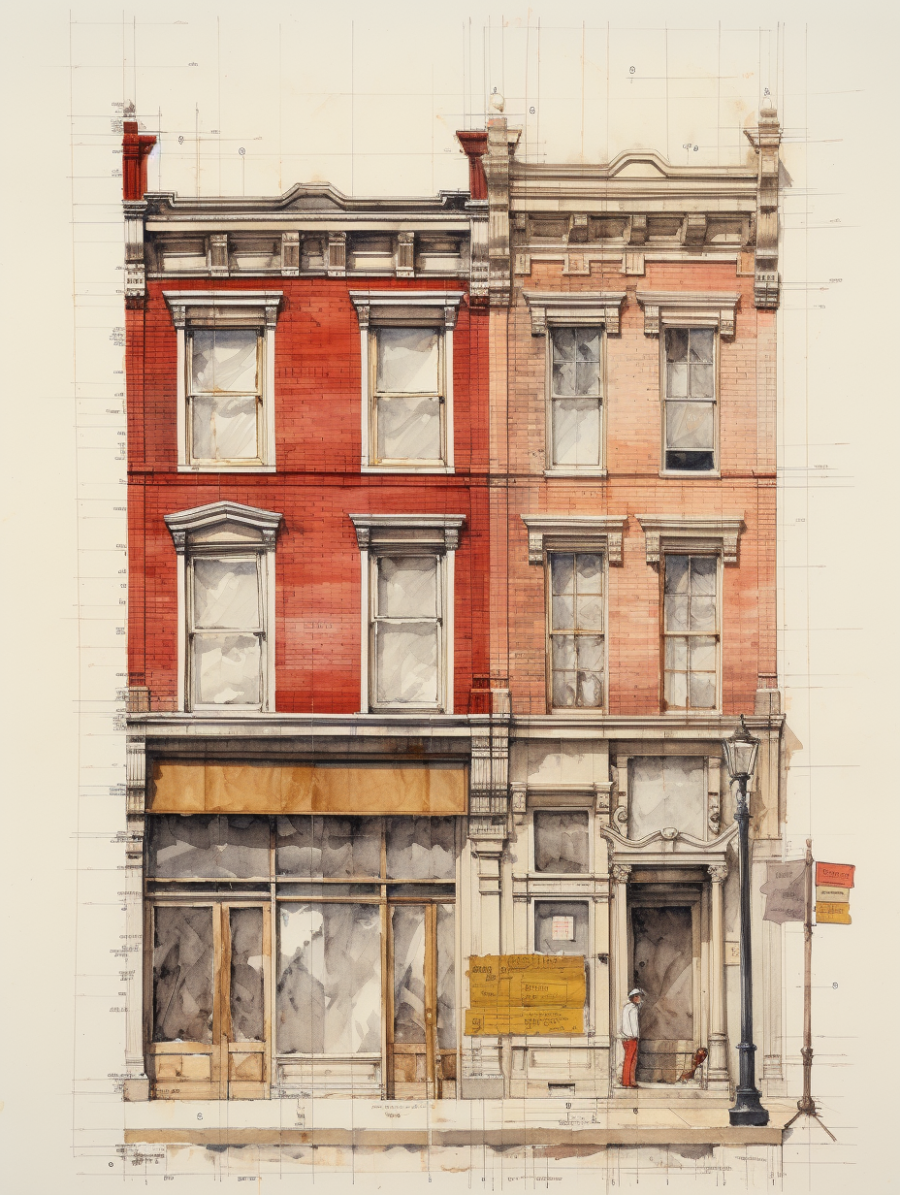
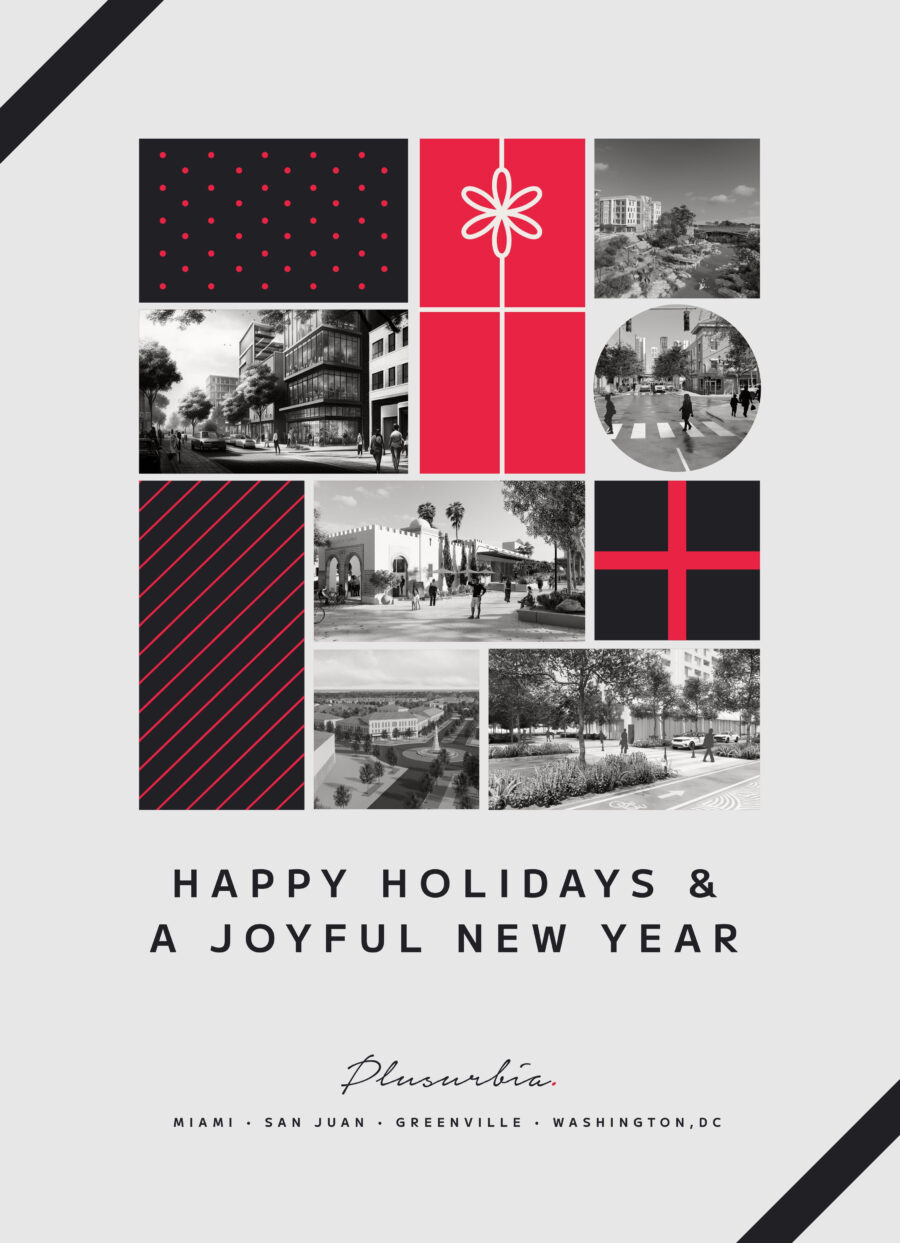
This year has seen the birth of new connections, the strengthening of communities, and the laying of foundations for more resilient cities. Together, we've embarked on innovative projects that have not only shaped our path but have also contributed to the positive transformation of the spaces we touch. [video width="1920" height="1080" mp4="https://plusurbia.com/wp-content/uploads/2023/12/20231214-PUD-Holiday-Card-Photocard.mp4"][/video] We extend our heartfelt gratitude for your collaboration, support, and shared commitment to building a better future. May the holiday season bring you joy, peace, and moments of well-deserved rest.
Wishing you and your loved ones a festive holiday season and a prosperous New Year!
We use cookies
We use our own and third-party cookies to be able to correctly offer you all the functionalities of the website for analytical purposes. You can accept all cookies by clicking "Accept cookies", obtain more information in our
Website Policyor configure/reject their use by clicking on Settings".
Accept cookies
SettingsBasic cookie informationConfirm preferences
This website uses cookies and/or similar technologies that store and retrieve information when you browse. In general, these technologies can serve very different purposes, such as, for example, recognizing you as a user, obtaining information about your browsing habits or customizing the way in which the content is displayed. The specific uses we make of these technologies are described below. By default, all cookies are disabled, except for the technical ones, which are necessary for the website to work. If you wish to expand the information or exercise your data protection rights, you can consult our Website Policy.
Accept cookiesManage preferencesTechnical and/or necessary cookies
Always active
Technical cookies are those that facilitate user navigation and the use of the different options or services offered by the web such as identifying the session, allowing access to certain areas, filling in forms, storing language preferences, security, facilitating functionalities. (videos, social networks…).
Analytic Cookies
Analysis cookies are those used to carry out anonymous analysis of the behavior of web users and that allow user activity to be measured and navigation profiles to be created with the objective of improving websites.