our
news
AWARDS, ACCOLADES, PUBLICATIONS AND NEWS.
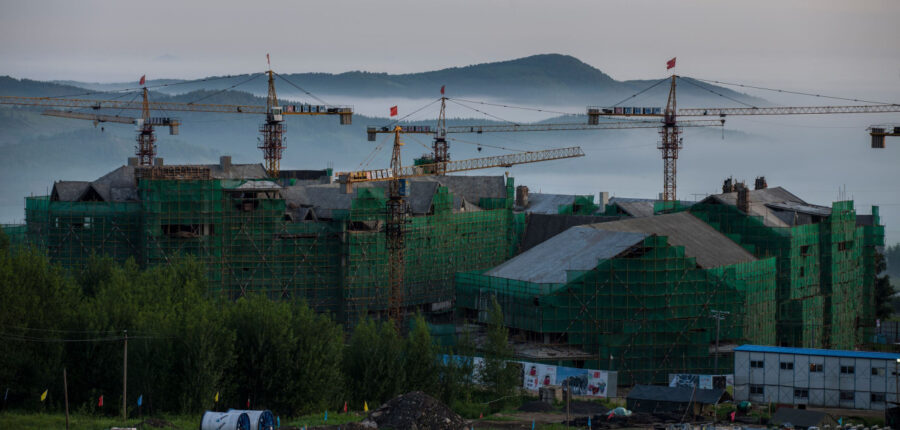
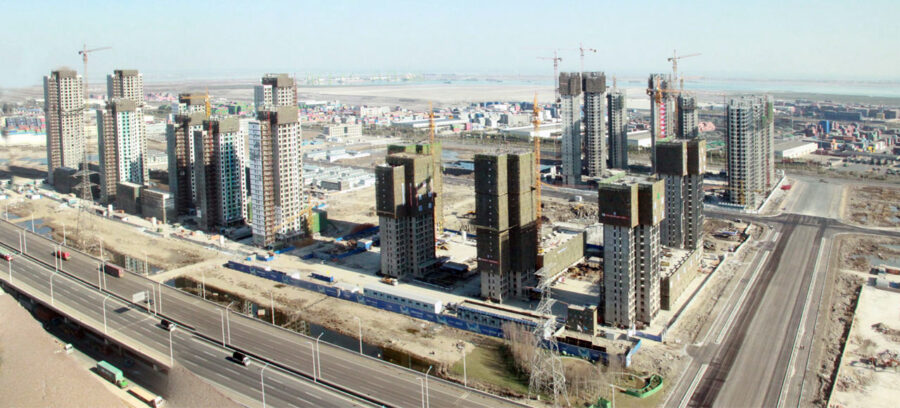
Songhua Lake, PRC - Under Construction
PlusUrbia featured in “Public Spaces No. 7 - The Design of Smarter Cities”. To be published in January 2014
The #APAFL15 Conference represents the creativity, hardwork, and collaborative activities of the Broward and Gold Coast Sections over the past two years.Speed Session 2: Memorable PlacesWynwood: From Garment District to 24/7 NeighborhoodSteve Wernick, Esq.David I. Polinsky, Ph.DJuan MulleratWynwood, Miami’s former garment district, has become a globally-recognized destination for art, food, and one of Miami’s most desirable areas for creative industry. However, the neighborhood’s evolution has been slowed by existing land development regulations. After commissioning a master plan, the Wynwood business Improvement District and the City’s Planning Department have put in motion the Wynwood Neighborhood Revitalization District, an overlay zoning district designed to incentivize redevelopment while retaining Wynwood’s unique industrial chic character and mural arts component. This Session highlights the collaborative planning process between stakeholders and the innovative tools used to achieve planning goals and objectives.
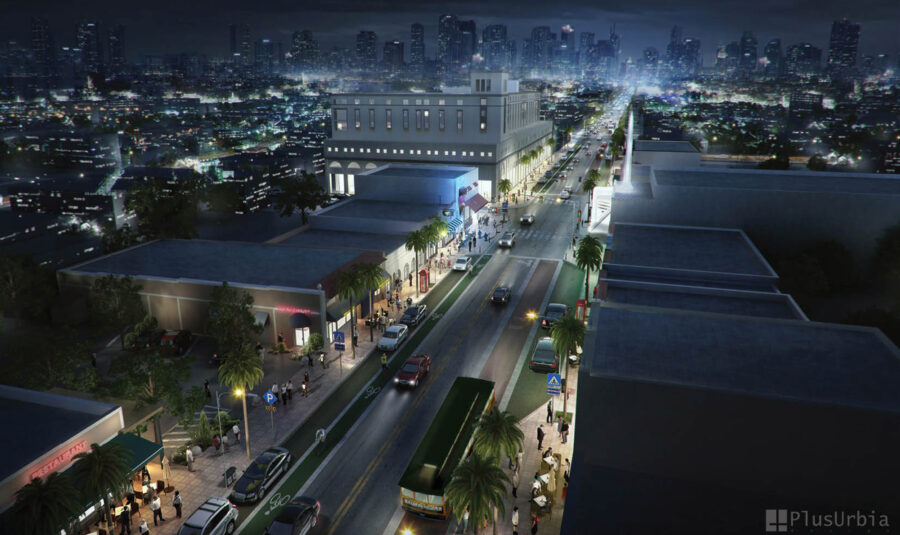
Written by Catherine Lackner on August 4, 2015Residents and business people in East Little Havana, a historic neighborhood at the western edge of booming Brickell, are concerned about changes that are coming for two major streets that slice through the area.The Florida Department of Transportation in June completed a study of Southwest Seventh and Eighth streets from Southwest 27th to Brickell avenues. The department’s goals for the two streets are to improve traffic operations, safety and access to the Brickell area, to develop a pedestrian-friendly corridor and to promote a multi-modal transportation approach, said spokesperson Ivette Ruiz.“This dense urban corridor has seen significant growth in the past decade with high-density, high-rise developments and its operation is expected to be impacted with increased traffic volumes by several new major development projects currently proposed within the Brickell area,” Ms. Ruiz said via email.Residents and business people in East Little Havana, a historic neighborhood at the western edge of booming Brickell, are concerned about changes that are coming for two major streets that slice through the area.The Florida Department of Transportation in June completed a study of Southwest Seventh and Eighth streets from Southwest 27th to Brickell avenues. The department’s goals for the two streets are to improve traffic operations, safety and access to the Brickell area, to develop a pedestrian-friendly corridor and to promote a multi-modal transportation approach, said spokesperson Ivette Ruiz.“This dense urban corridor has seen significant growth in the past decade with high-density, high-rise developments and its operation is expected to be impacted with increased traffic volumes by several new major development projects currently proposed within the Brickell area,” Ms. Ruiz said via email.The next phase is the project development and environmental study, set to begin in the winter of 2016 and to take two to three years, she continued. “Then design, right-of-way acquisition and construction will follow.” Construction is expected to begin in spring 2017.Some neighbors are worried that the current one-way street design – which they say encourages drivers to speed and is not pedestrian-friendly – will remain. Theyare hopeful that a smaller, more human-scale design can take its place but fear the transportation department’s top priority is moving cars as efficiently as possible.“This is our one chance,” said Juan Mullerat, director of PlusUrbia, a design firm that recently completed a redevelopment plan for Wynwood that has gained wide acceptance. Mr. Mullerat and several of the firm’s principals live in East Little Havana. “When you live in an area, it becomes more than a way to get to downtown and Brickell. We know the car needs to stay, but we believe transportation means more than cars.”East Little Havana was once a thriving neighborhood with Southwest Eighth Street, or Calle Ocho, as its main street, he said. PlusUrbia, working pro bono, has designed a plan that Mr. Mullerat says will be safer and will restore that neighborhood feeling.Currently, there are three one-way driving lanes that are 11 feet wide, two 7.5-foot parking lanes, and two 9-foot sidewalks. PlusUrbia’s plan would replace them with two 10-foot driving lanes, heading east and west, an 11-foot transit lane, a 4-foot bike lane, and two 8.5-foot parking lanes. The sidewalks would stay the same width, at 9 feet.The firm has decided not to bid on the $2 million project, though two out-of-state potential bidders have asked PlusUrbia to join their teams. “Our function is to raise awareness,” Mr. Mullerat said, adding that staying independent from the project gives the firm more credibility in presenting its ideas.At a series of meetings the transportation department held to get public input, Mr. Mullerat said, the company’s plans fell on deaf ears.“The department only recently became aware of PlusUrbia’s plan,” Ms. Ruiz responded. “Specifically, their plan did not come up at the meetings.”Redesigning traffic so that the area recaptures its neighborhood ambiance “is one of the alternatives recommended for further study, but any change to the existing traffic pattern will require public and community acceptance,” Ms. Ruiz said. The department will continue to get input from the community and all interested parties throughout the project development and environmental study phase, she added.Adopting the principles set forth in his company’s plan, Mr. Mullerat said, might help alleviate a serious jaywalking problem that has historically plagued the two streets. Ms. Ruiz said the department will make a series of pedestrian improvements over the next two to three years. “This includes the addition of 10 new pedestrian crosswalks along Southwest Eighth Street between Southwest 27th and Brickell avenues.” But, Mr. Mullerat said, “I want to ask that guy with a cane jaywalking across Calle Ocho where he wants his crosswalks.”He is organizing a coalition of architects, planners, neighbors and business people to present ideas to the transportation department cohesively.“We have some of the best planners in the world in Miami,” said Mr. Mullerat, who co-chairs the Urban Design Committee of the American Institute of Architects’ Miami chapter. “We have real specialists who can tell us how this should flow, how this should function.”News link: Miami TodayRelated news links: Curbed, Local 10 News, Miami New Times, Next City, WLRN, SFBJ, Univision (Spanish)
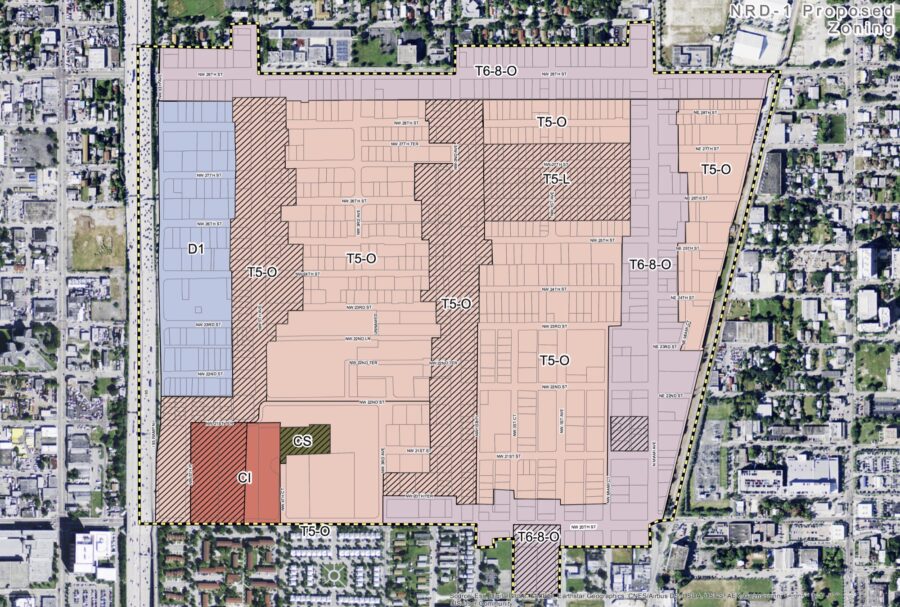
Friday, July 24, 2015, by Sean McCaughanThe Big Wynwood Rezoning has happened, leading to a more dynamic, pedestrian-friendly, mixed-use, and admittedly developer-friendly Wynwood (the old code was quite hostile to anybody trying to build condos), spearheaded by the Wynwood BID and designed by PlusUrbia. It was approved yesterday by a vote of 3-0 by the Miami City Commission. The Wynwood Neighborhood Revitalization District-1, the City of Miami's first NRD, is now officially a real thing. A little perplexed about what this means for Wynwood, Miami's art center? Well, here goes:1) Almost all of Wynwood is converted from 'Light Industrial' and 'Industrial' to 'General Commercial' with a lining of 'Light Industrial' in the blocks along I-95 and a chunk of 'Medium Density Residential' in the SW corner where Mana Wynwood is located.2) Financial incentives, including Transfer of Development Rights, are in place to preserve warehouses and incentivize development.3) Zoning along North Miami Avenue and 29th Street will allow development up to eight stories as-of-right, with an additional four stories in exchange for public benefits. The majority of the rest of the area allows building heights up to five stories with an additional three in exchange for public benefits.4) The new zoning does allow for development of new one-story buildings.5) The Wynwood Development Review Board gives local control to approve all large projects.6) The new zoning promotes affordable small studio apartments (less than 650 square feet) instead of large live-work spaces, with option to pay for a release from parking requirements at $12,000 a pop. This money would then go into the Wynwood Public Benefit Trust Fund and be used to pay for centralized parking.7) Requires ten foot minimum width sidewalks.8) Requires pedestrian paseos (cross-block walkways) for larger projects.9)Woonerfs!10) Solid, roll-up doors are banned.11) Centralized parking facilities, paid for by developers looking for reductions in parking requirements, will encourage pedestrian walkability.12) Increased housing density from 36 and 65 to a uniform 150 dwelling units per acre.13) Allows both pure residential or live/work uses, while today only live/work is allowed as-of-right.14) Incentivizes activated rooftop green spaces, and ground floors15) Developers can pay into the Wynwood Public Benefit Trust Fund, which pays for open space, for an additional 3 to 4 stories of height or increased lot coverage from 80% to 90%. The trust fund will be used only in Wynwood, for open spaces, public parks, civic spaces, and woonerfs.16) Facades on new developments will be required to either be wall art or glass.17) Wynwood-only use categories like art galleries and manufacturing-enabled retail will preserve the character of Wynwood. News link: CurbedRelated news links: Miami Herald, Miami Herald, Curbed, Curbed, Community Newspapers, Miami New Times, NL Times, Globe St., Globe St., The Real Deal, SFBJ, SFBJ, Bisnow,
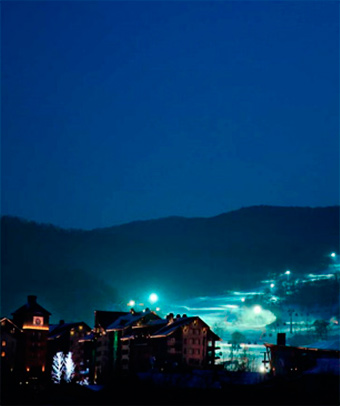
Ski Resort Town Center in Jilin, PRC - Urban & Architecture Design by Plusurbia LLC
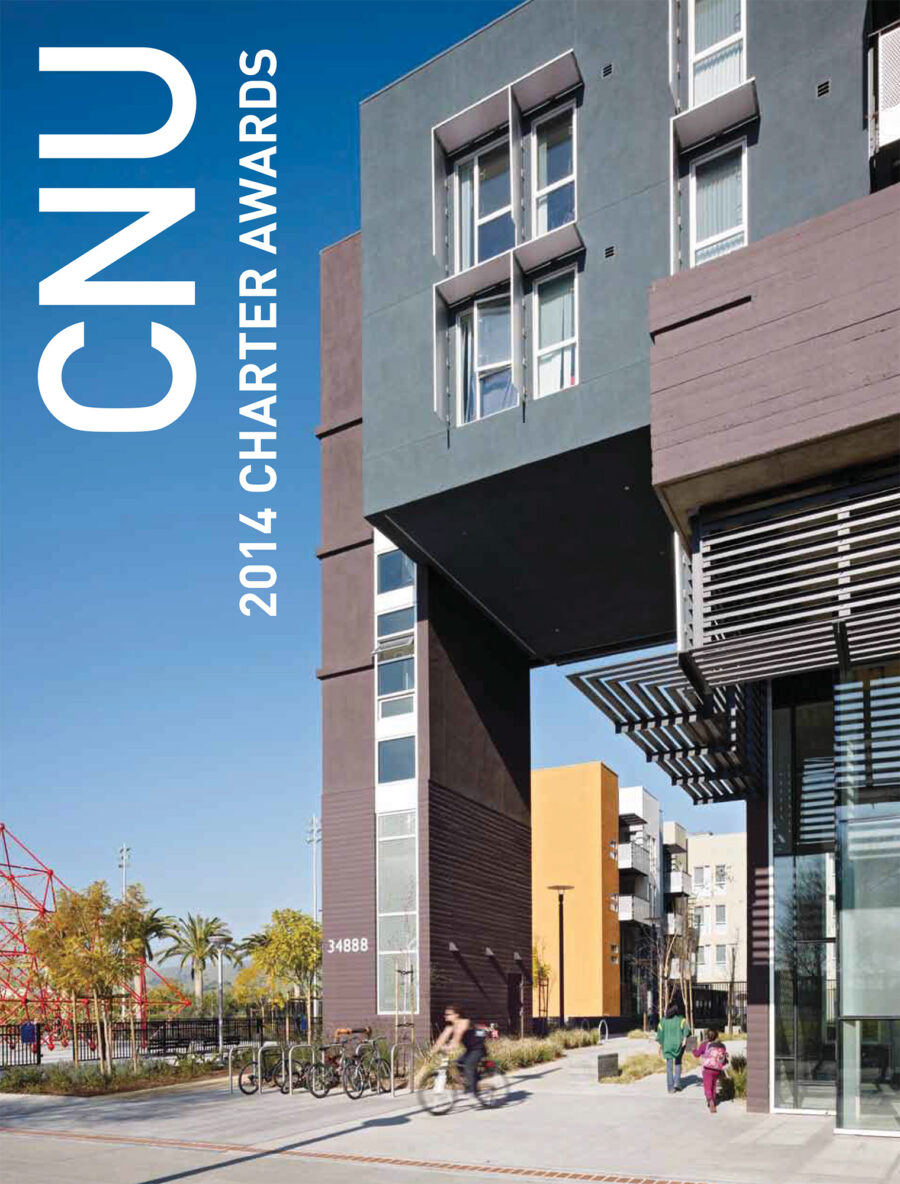
Administered by the Congress for the New Urbanism, the Charter Awards program rewards the best work of the new era of placemaking. Every year since 2001, CNU has convened a jury of the highest caliber to review submissions and select winning entries that best embody and advance the principles of the Charter of the New Urbanism. The Charter identifies three major scales of geography for design and policy purposes. The largest scale is composed of regions. The middle scale is made up of neighborhood, districts, and corridors, and the smallest scale is composed of block, streets, and buildings.Charter Awards are given to projects at each scale, and a special recognition is reserved for the best projects at the professional and the student levels. This year, a handful of new categories were added, including Best Urban Infill, Best Planning Tool or Process, and Best Tactical Intervention. As the preeminent global award for excellence in urban design, CNU hopes the Charter Awards will set new benchmarks and new models for urbanism worldwide.The Master Plan for Curridabat, Costa Rica, won this year's Charter Award for Best City Plan. Led by Castillo Arquitectos, PlusUrbia is proud to have collaborated on this outstanding project.The Congress for the New Urbanism (CNU) is the leading organization promoting walkable, mixed-use neighborhood and development, sustainable communities and healthier living conditions.Congress for the New Urbanismcnu.org

Plusurbia’s Juan Mullerat was awarded the 2013 Urban Designer of the Year by the Miami Chapter of The American Institute of Architects. In an event held in November at the AIA Miami’s head quarters, Mullerat received said award on behalf of the Plusurbia’s team members for the body of work that the firm has produced in recent years.
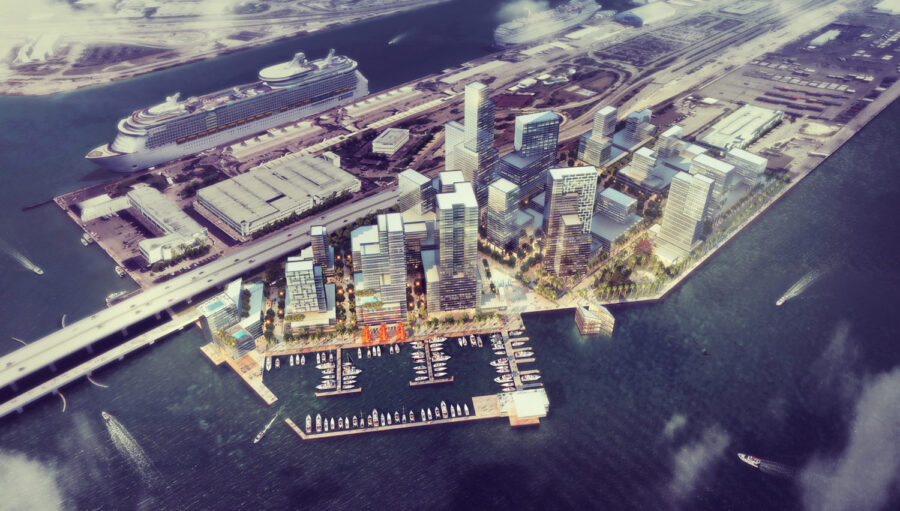
MIAMI, FL January 10, 2013 – PlusUrbia led the design of the new trade/commercial district in the Port of Miami in collaboration with GSHstudio, OskiStudio and studioLFA. The team developed aconcept coined “Port-Side Miami” to become the city’s new commercial district onthe west end of the Port’s Dodge Island, which was designated by the “PortMiami 2035 master plan” to be developed into office space, retail, restaurants and a number of high-end hotels.In an invitation-only RFQ for a master plan, the designers were given a set of parameters that dictated an intricate solution by means of phasing the project over time in order to minimize the effect on the port’s functions and to retain the existing buildings until the last phase. In addition, PlusUrbia’s team, following the RFQ’s guidelines, refrained to design specific buildings and maintained a generic/volumetric look to the design with the intention of later engaging other architects to provide the architecture.Endowed with a privileged location, the site affords its buildings with outstanding views of Miami, Key Biscayne and South Beach. As such, Port-Side was designed to become a key upscale destination for residents and visitors alike, including retail, office and hotels that would provide round the clock activity as well as supporting one of the busiest cruise ship and cargo terminals in the US. The project aimed to transform Port Miami into an anchor for South Florida as well as setting a new standard for waterfront development.The master plan’s building disposition was designed to emphasize its iconic nature while using downtown Miami’s scale and intensity as reference. Port-Side’s master plan is envisioned as an immediate extension of downtown while maintaining its identifiable urban island feel.The proposal would become a destination by simply its physical attributes, engaging the water’s edge in a variety of ways (pedestrian and vehicular promenades, plazas and waterfront parks) supported by shops, boutiques, cafes and restaurants on the water.The new district retrofits and extends existing infrastructure (Caribbean Way) as its pedestrian and bicycle access extending the City of Miami’s plans for its river-walk that connects the river to Bayside Marketplace, Bayfront Park and proposed future plans that may possibly include other means of public transportation. link to project: https://plusurbia.com/project/portside-miami/
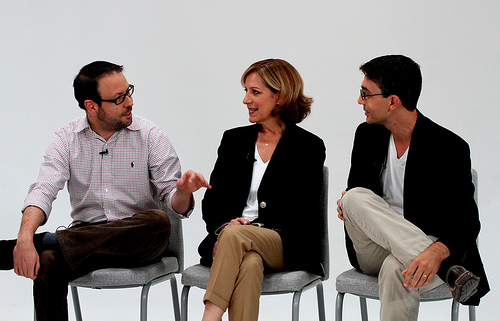
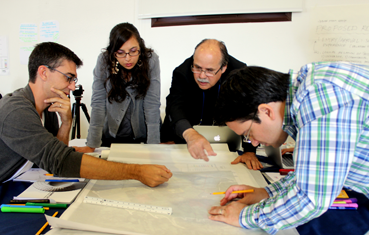
Ibarra, 27 de julio de 2013. Luego de tres días de trabajo, especialistas de clase mundial en las áreas de planificación urbana, arquitectura, paisajismo y diseño urbano presentaron las conclusiones del taller denominado “Think Tank, Ciudad del Conocimiento YACHAY, estrategias futuras para el desarrollo”.Los expertos convocados trabajaron en un modelo de ciudad para acoger el desarrollo de ecosistemas de emprendimiento y creatividad, en un distrito de innovación moderno y de alta tecnología, pero con espacios urbanos derivados de un estudio profundo de 10.000 años de historia urbana.El Think Tank o Tanque de Pensamiento para YACHAY es una red de expertos nacionales e internacionales y un componente esencial de la “Revolución Urbana”, que define estrategias para el desarrollo de la Ciudad del Conocimiento que se construye en Urcuquí, provincia de Imbabura.El primer evento de este cuerpo colegiado reunió a expertos, profesionales y académicos que en mesas temáticas intercambiaron ideas e información sobre planes de construcción, gobernanza y sostenibilidad estructural, con un desarrollo basado en la comunidad, en la participación y en los ecosistemas urbanos.Los expertos coincidieron en que YACHAY debe ser una ciudad compacta, con espacios públicos de calidad y establecida en la evolución de las dinámicas locales, una ciudad donde el diseño urbano facilite el fortalecimiento de redes interconectadas como puntos de transferencia de conocimiento.Michael Mehaffy, experto internacional basado en Portland, autor de varias publicaciones, especialista en desarrollo urbano sostenible, con experiencia en proyectos de movilidad multimodal, desarrollo enfocado al tránsito y ciudades peatonales, felicitó al equipo técnico de la Empresa Pública YACHAY por las iniciativas aplicadas en la planificación desde inicios del proyecto.Héctor Rodríguez, Gerente General de la Empresa Pública YACHAY, destacó el éxito del taller que permitió reafirmar el compromiso para aplicar estrategias que permitan mantener el respecto de las preexistencias naturales y comunitarias, con la adaptación a la hidrología y topografía hacia un desarrollo no agresivo con el paisaje.“Es importante tener en cuenta la usabilidad de los espacios con el principio de uso mixto, con una segmentación inteligente. Una ciudad inteligente se construye con la adaptación tecnología, la forma urbana va cambiando y se va adaptando en este sentido”, enfatizó.De su parte, el ministro de Desarrollo Urbano y Vivienda, Pedro Jaramillo, resaltó la importancia del taller al obtener un trabajo de especialistas internacionales, que permitirán constituir a YACHAY en la ciudad icono para el Ecuador, donde se consolida la transformación de la matriz productiva.El evento concluyó con la entrega de propuestas y acuerdos para la construcción de YACHAY, en la que se deberán implementar políticas públicas que fomenten el crecimiento y desarrollo de ecosistemas creativos y de innovación tecnológica y social.Entre los principales acuerdos podemos mencionar los siguientes:Construcción de una ciudad inteligente basada en la articulación de tecnologías, fortalecimiento de redes urbanas y gestión individual y colectiva de la ciudadUrbanización progresiva basada en unidades urbanas autónomas (vecindarios) que crecen de manera incremental para poder funcionar desde el primer díaCrecimiento en densidad, complejidad e intensidad de actividades, y no expansivo ni agresivo con el suelo productivoDimensión espacial planificada desde el espacio público, conexiones peatonales y movilidad multimodalLa ciudad se piensa desde la experiencia del usuario caminando a 5 kilómetros por hora a nivel de piso, y no desde el escritorio del planificadorCiudad viva primero y ciudad del conocimiento después, para generar flexibilidad, adaptabilidadLa dimensión supraterritorial de tecnología, que no define la forma urbana sino que contribuye a la gestión (U-City)Suma de expertos y ciudadanos en la construcción del modelo de gestión en un proceso de reinvención continuaDiseño de espacios urbanos con participación ciudadana (Placemaking)Desarrollo futuro basado en la comunidad, en las dinámicas y ecosistemas que se van creandoCiudad compacta, a escala humana, conectada, caminable, con espacios públicos de calidad y basada en la evolución de las dinámicas localesPrioridad para el peatón en la pirámide invertida de movilidad multimodal, sin relegar deliberadamente ningún modo específicoEspacio urbano organizado con nodos interconectados que congregan mayor intensidad de actividades urbanas en un contexto de uso mixto y diversoEspacios públicos donde se promuevan los encuentros, el intercambio y el flujo de ideas e informaciónUrbanización con un lenguaje común, sin homogeneizar pero con propuestas compatibles que comparten el espacio urbano y ayudan a construir comunidades sólidas, con un imaginario urbano definido e identidadBajo el concepto de una ciudad sostenible, los planes de YACHAY se basan en la sostenibilidad integral a través de estrategias ambientales, económicas, urbanísticas y de desarrollo social, apoyada en la lógica de apropiación del espacio urbano que la ciudadanía construirá.Los expertos internacionales, impresionados por el potencial de crecimiento y desarrollo para el Ecuador con la construcción de la Ciudad del Conocimiento Yachay, se comprometieron a ser los principales embajadores a nivel mundial de lo que consideran será el nuevo futuro para el Ecuador.Para ver la galería del evento visita:http://www.flickr.com/photos/yachay/sets/72157634799957881/
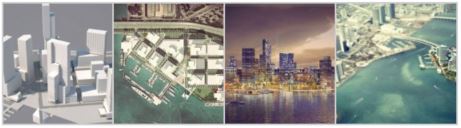
Portside Miami. (Courtesy PlusUrbia)Portside MiamiPortMiami launched a competition in 2011 commissioning plans for a new commercial district, dubbed the World Trade Center, and just recently revealed finalist PlusUrbia’s designs, which consists of a mix of infrastructure updates and major commercial and residential development. PlusUrbia’s plan includes new cruise-ship terminals and berths, and according to Curbed, skyscrapers, an expanded marina, hotels, retail, and luxury towers.http://blog.archpaper.com/2013/03/miamis-development-booming-top-11-starchitect-designs-remaking-the-magic-city/#.VikowH6rRD8
Upper Level Studio at UNCCDate: December 4th 2012Location: School of Architecture, UNCC Campus.
PlusUrbia was recently hired to design a ski resort in Northern China.Project Tasks: include Master Planning, Architectural DesignTime for completion: 6 months
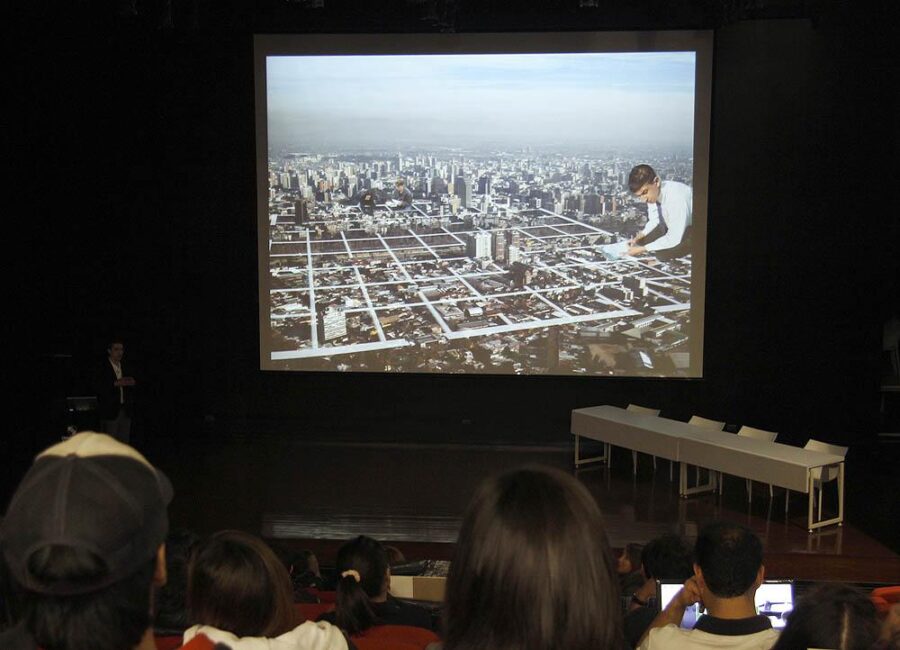
URBANISMO EN CONTEXTO – El desarrollo y la construcción del siglo XXI se enfrenta a tensiones económicas, medio-ambientales, regulatorias y culturales. El arquitecto y urbanista está obligado a encontrar soluciones en el diseño dentro de unos parámetros típicamente contradictorios. “Urbanismo contextual y el paradigma chino” explora contextos dinámicos a través de varios proyectos en países en desarrollo, con un énfasis en China, que obligan a forjar nuevas soluciones basadas en tipologías autóctonas.
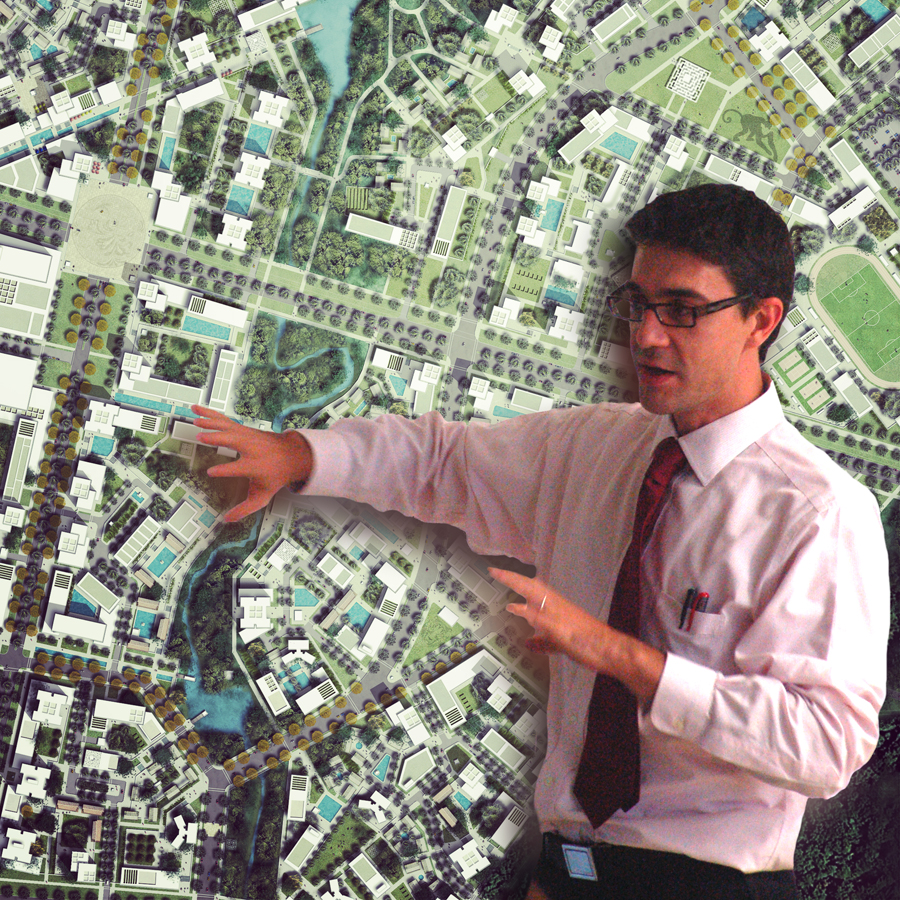
Date: Monday April 2nd, 2012 @ 6pmTitle: C o n t e x t u a l Urbanism and the Chinese ParadigmBrief: The built environment in the 21st Century is confronted by tensions between economy, environment, law, and tradition.Today’s architects are challenged to shape these mounting tensions into an elegant solution to create lasting places. “Contextual Urbanism and the Chinese Paradigm” explores specific design efforts in the world’s fastest urbanizing countries, a dynamic and demanding context that is both forging innovations and revealing shortcomings in today’s architectural paradigms.
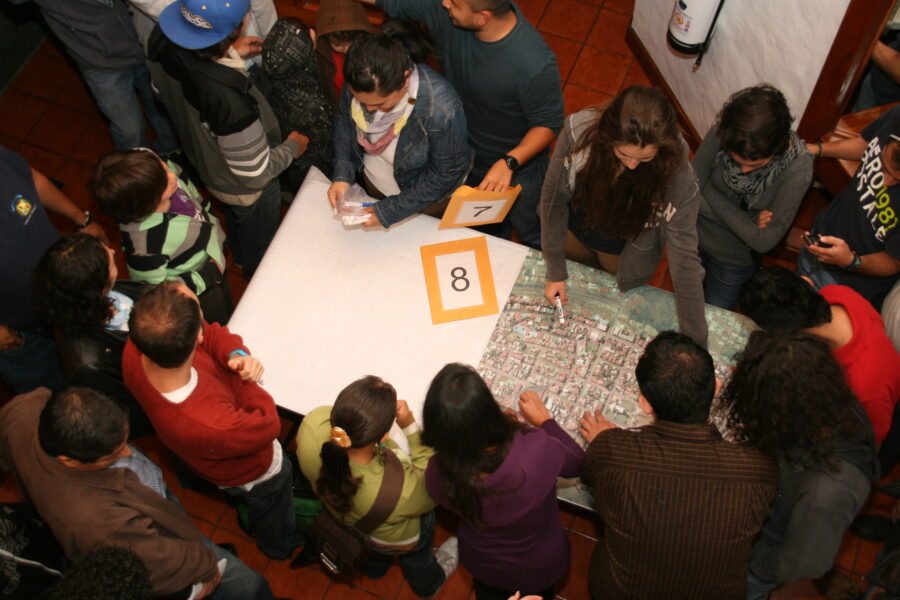
Sofia Villanueva of PlusUrbia Design participated last month in a workshop in the city of Curridabat, Costa Rica, in collaboration with Castillo Arquitectos, from Guatemala, who were the Project’s Lead, and Dover Kohl & Partners of Florida. The workshop entailed a week long, hands-on visualization of different areas of the city to improve the infrastructure and civic spaces in order to spark the re-investment on the city. PlusUrbia, under Castillo Arquitectos’ lead, is currently working on the production of a report that will include a Form-Based-Code intended to structure future development, ensuring healthy growth and the provision of a safe and forward-looking environment for the municipality’s citizens.
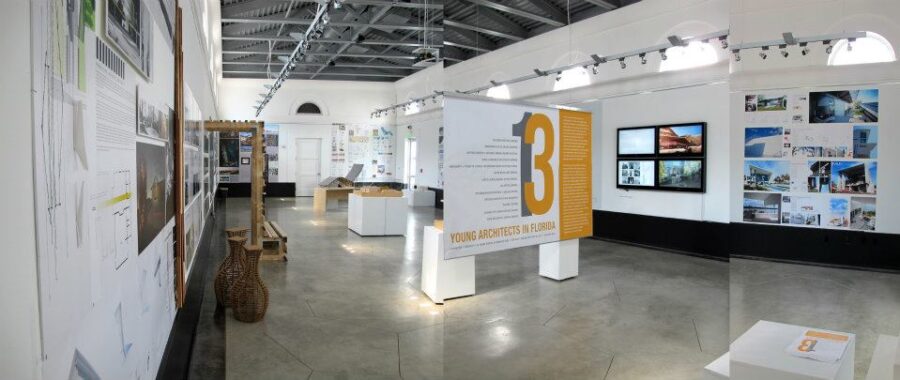
PlusUrbia has been selected along with 12 other firms to present its work at the University of Miami’s: Young Architects of Florida.View an exhibition of the work of 13 architects, 40 years of age or younger, in the Irvin Korach Architecture Gallery in the Jorge M. Perez Architecture Center at the University of Miami School of Architecture. As part of the exhibition opening evening there will be a discussion led by a selected group panelists. The panel discussion will be held in Stanley and Jewell Glasgow Lecture Hall, also in the Jorge M. Perez Architecture Center.http://arc.miami.edu/events/#event-520Wednesday, October 5, 20116:00 PM Exhibition opens – 13 Young Architects in Florida – Irvin Korach Architecture Gallery7:00 PM Panel Discussion – Stanley and Jewell Glasgow Lecture HallUniversity of Miami School of ArchitectureJorge M. Perez Architecture Center1215 Dickinson DriveCoral Gables campus
Location: Lecture to take place in the School of Architecture of the University of MiamiTime: 30th of August 2011 at 630pm.
Text about Plusurbia being founded
We use cookies
We use our own and third-party cookies to be able to correctly offer you all the functionalities of the website for analytical purposes. You can accept all cookies by clicking "Accept cookies", obtain more information in our
Website Policyor configure/reject their use by clicking on Settings".
Accept cookies
SettingsBasic cookie informationConfirm preferences
This website uses cookies and/or similar technologies that store and retrieve information when you browse. In general, these technologies can serve very different purposes, such as, for example, recognizing you as a user, obtaining information about your browsing habits or customizing the way in which the content is displayed. The specific uses we make of these technologies are described below. By default, all cookies are disabled, except for the technical ones, which are necessary for the website to work. If you wish to expand the information or exercise your data protection rights, you can consult our Website Policy.
Accept cookiesManage preferencesTechnical and/or necessary cookies
Always active
Technical cookies are those that facilitate user navigation and the use of the different options or services offered by the web such as identifying the session, allowing access to certain areas, filling in forms, storing language preferences, security, facilitating functionalities. (videos, social networks…).
Analytic Cookies
Analysis cookies are those used to carry out anonymous analysis of the behavior of web users and that allow user activity to be measured and navigation profiles to be created with the objective of improving websites.